

Nepal UK
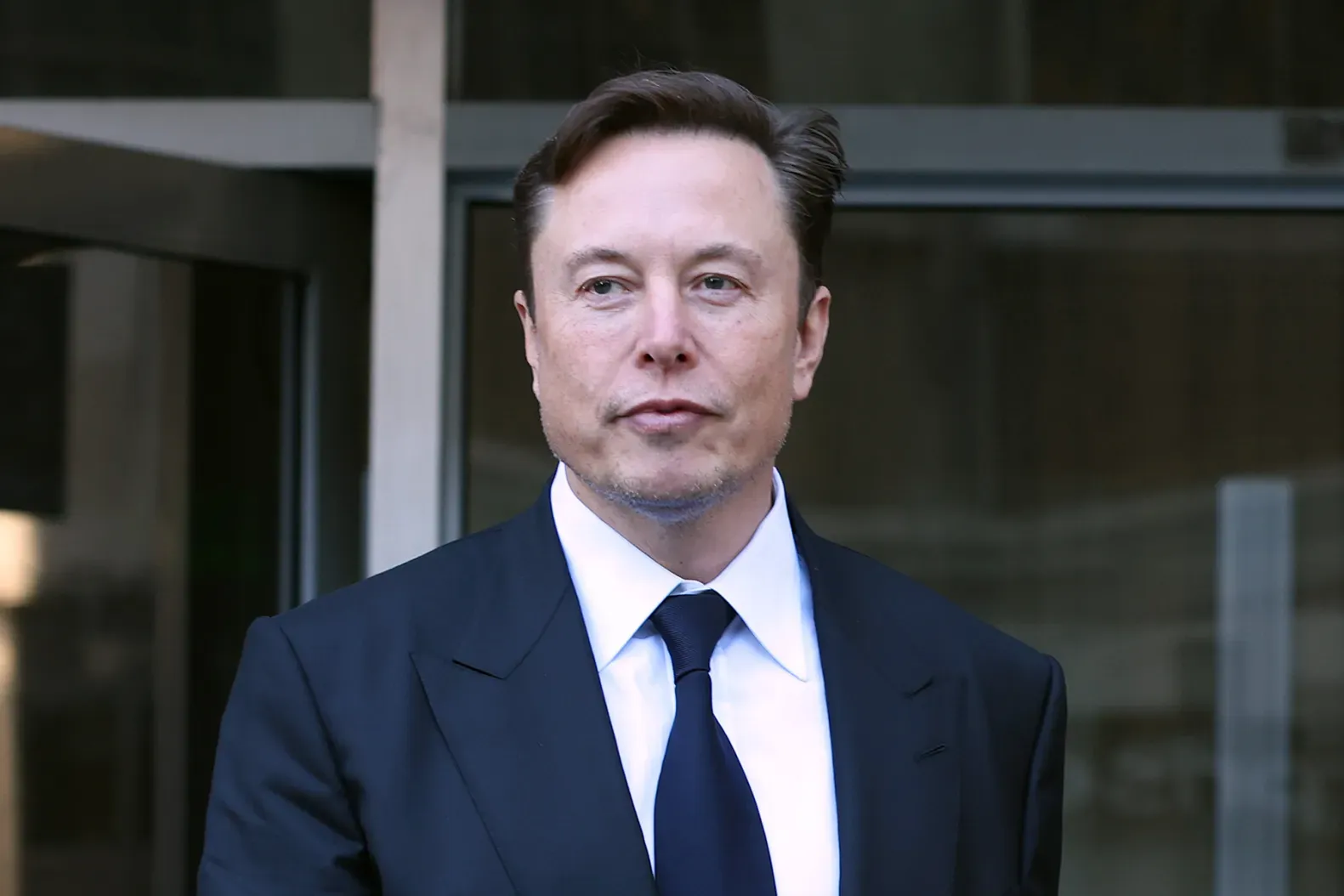
London – Tesla CEO, Elon Musk, has said that work could be optional – at least in the western hemisphere- in the near future.
The world’s richest man, Elon Musk, has said work, as we see it today, could be optional in the next decade or so.
Speaking at the US-Saudi Arabia Investment Forum in Washington, D.C., this week, Mr Musk said that in the next 10 to 20 years, work will be optional, likening the decision to have a job to the more laborious upkeep of a vegetable garden.
“My prediction is that work will be optional. It’ll be like playing sports or a video game or something like that,” Musk said. “If you want to work, [it’s] the same way you can go to the store and just buy some vegetables, or you can grow vegetables in your backyard. It’s much harder to grow vegetables in your backyard, and some people still do it because they like growing vegetables.”
To many others, the notion of an automated future is less bright, particularly amid concerns about and of AI displacing entry-level jobs, which may be contributing to
According to Musk, in the job-voluntary future as predicted by him, money won’t be an issue, he said. Referring to Iain M. Banks’ Culture series of science fiction novels, Mr Musk said, “In those books, money doesn’t exist. It’s kind of interesting. And my guess is, if you go out long enough—assuming there’s a continued improvement in AI and robotics, which seems likely—money will stop being relevant.”
McKinsey reported that 92 million jobs could be displaced by automation by 2030. Goldman Sachs put the number at 300 million, though the timeline is not clear.
“If the economic value of labor declines so that labor is just not very useful anymore, we’ll have to rethink how our society is structured,” Anton Korinek, professor and faculty director of the Economics of Transformative AI Initiative at the University of Virginia, told Fortune magazine published from the US.
“The question will really be one of meaning: If the computer and robots can do everything better than you, does your life have meaning?” he said. “I do think there’s perhaps still a role for humans in this—in that we may give AI meaning.”


