

Nepal UK
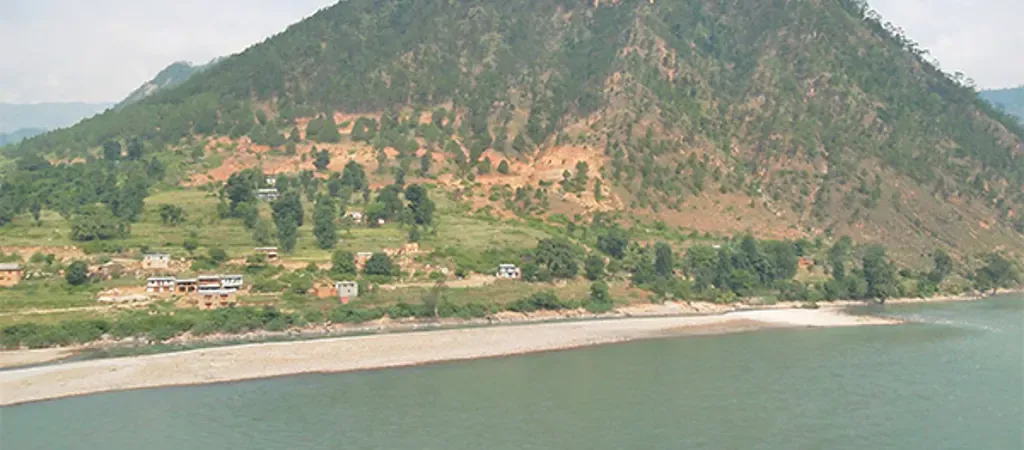
Nepal's Investment Board has decided to facilitate immediate construction of the 900MW Upper Karnali hydropower project, ending a stalemate that has lasted since the developer first signed an agreement in 2014. The decision, taken at the board's 68th meeting and reported on 19 October, still awaits an official letter to the developer, GMR Group, which says it will proceed once it is received.
An official said the developer must complete construction within five years and may submit outstanding and updated documents before work starts. The letter has not yet been sent, so the decision is not yet operational.
The scheme's history explains why a construction go-ahead is notable. Nepal's government and GMR signed a memorandum in January 2008 for a 300MW plant, and GMR sought to raise capacity to 900MW in December 2009. A project development agreement followed in September 2014, requiring financial closure, the point at which funding is secured, within two years.
Deadlines were extended repeatedly. In July 2022 the cabinet approved a further two-year extension, which was challenged in the Supreme Court. An interim order in November 2022 barred its implementation, and in May 2023 the Constitutional Bench barred further extensions while granting 186 additional days. In July 2024 the cabinet extended the deadline to 17 January 2025.
The board's 60th meeting approved a revised shareholding: GMR 34%, India's state-owned SJVN 34%, IREDA 5% and the Nepal Electricity Authority 27%. Previously GMR held 73%. According to the reported account, GMR submitted financial closure documents on 15 January 2025, IREDA responded positively to a proposed loan of INR 65 billion (about Rs 104 billion), and a consortium of Nepali banks gave in-principle approval to a Rs 20 billion loan.
The financing figures are reported accounts rather than published loan agreements, and NepalUK has not seen the underlying documents.
A Supreme Court petition filed on 24 December 2024 argued that GMR had missed the financial closure deadline and transferred shares to Indian companies without government approval. A bench of Justices Sapana Pradhan Malla and Nityananda Pandey dismissed the petition. According to the account of the verdict, the court found the shareholding change consistent with the agreement and held that ten years was sufficient to secure funding, so no further extension was needed. The board said it waited for the full verdict before moving ahead.
Upper Karnali is among Nepal's largest hydropower schemes, and a 900MW plant would be significant for a country that has been building power-export capacity. Elsewhere, Nepal's energy minister issued a Letter of Intent this week allowing private firms to prepare for cross-border electricity trade, though trading still needs licences, agreements and transmission access.
For Nepali professionals and investors overseas, including engineers in the UK, the project illustrates both the scale of opportunity and the regulatory risk in Nepal's energy sector. Questions remain over transmission, power-purchase arrangements and the five-year construction timetable, none of which the board's decision resolves.
Next steps are the dispatch of the board's letter, GMR's submission of updated documents and any further legal or political challenge. Until the project breaks ground, announcements should be treated as intentions rather than progress.


