

Nepal UK
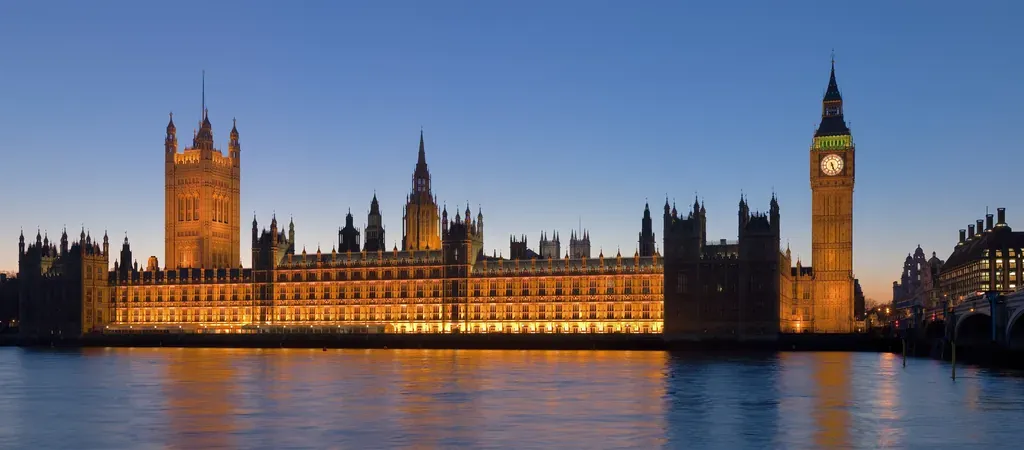
Members of Parliament from several parties used a Westminster Hall debate on Wednesday 14 October to urge the UK government to back Nepal's long-term recovery from the August floods, while the Foreign Office minister who replied pointed to £5 million already committed.
The debate, "Government support for the situation in Nepal", was led by Matt Rodda, the Labour MP for Reading Central, and lasted close to 90 minutes. It took place against a House of Commons Library briefing, published on 12 October and last modified on 17 October, which sets out how much the UK has given and what it plans to give.
What the UK has committed
The flash floods of 26 August killed at least 1,455 people in Nepal and 43 in China, with thousands still missing. The Nepali government puts damage at about US$2.7 billion and recovery needs at US$4.7 billion, and a UN flash appeal seeks about US$49.6 million.
The UK's emergency package is £5 million: £1 million through Start Fund Nepal, £3 million through the UN for shelter, water, sanitation and protection, and up to £250,000 to deploy UK humanitarian experts. The Commons Library notes that the government says talks are ongoing and further support is under review.
What MPs said
According to a report of the debate, Gareth Thomas, the Labour MP for Harrow West, said Nepal may need about £5 billion for reconstruction and resilience and that the UK, as a long-standing friend, has a responsibility to help close that gap. Luke Murphy, Labour MP for Basingstoke, urged continued commitment once media attention moves on and noted that rebuilding would take years.
Monica Harding, the Liberal Democrat MP for Esher and Walton, called £5 million insufficient. She said Nepal had requested US$20 million from the UN Loss and Damage Fund, which she described as 0.7 per cent of estimated losses of US$2.7 billion. The same report states that 119 countries have requested US$2.8 billion from the fund, while donors have contributed about US$400 million.
Chris Elmore, a Foreign, Commonwealth and Development Office minister, said the £5 million had supported shelter, clean water, sanitation and healthcare. He said the UK would keep Nepal's reconstruction on the international agenda, work with partners on disaster preparedness, climate adaptation and early warning, and that the foreign secretary would raise these issues with Nepal's finance minister. He added that the World Bank's annual meetings that week offered an opportunity for progress.
The tension in the numbers
The debate exposed a gap between the immediate response and the longer-term outlook. The Commons Library briefing records that the overall UK aid budget is being cut from 0.5 per cent to 0.3 per cent of gross national income by 2027, and that Nepal is not among the protected areas. Planned bilateral aid to Nepal falls from £46 million in 2025/26 to £23 million in 2026/27, £12 million in 2027/28 and £5 million in 2028/29. Bilateral aid peaked at about £112 million in 2014.
That context explains the framing of the debate: MPs were asking not only whether £5 million is enough now, but whether the UK can sustain a recovery partnership while its bilateral budget contracts.
What it means for Nepali communities in the UK
The debate matters to British Nepali communities because the questions raised, including how long UK support will last and whether it will rise, are ones that community groups can put to their own MPs. The Commons Library briefing is a useful reference for that.
Much remains unsettled. No new funding was announced in the reports reviewed by NepalUK, and the debate record from Hansard was not available for checking at the time of writing; quotations and figures attributed to MPs are drawn from a published account of the debate and should be confirmed against the official transcript.


