

Nepal UK
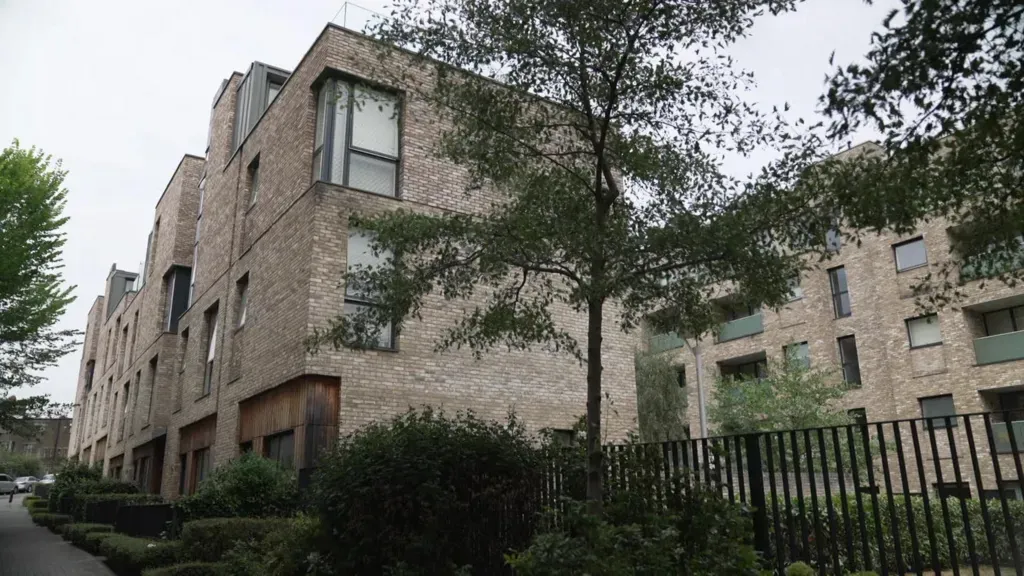
Picture: BBC
UK - London, once known for its temperate climate, is now grappling with the consequences of an intensifying urban heat island (UHI) effect. This phenomenon, where urban areas become significantly warmer than their surrounding rural landscapes, is turning the world's cities into heat traps.
According to the London Climate Ready Partnership, the heart of the British capital can be up to 10°C warmer than its suburbs, creating uncomfortable and potentially hazardous living conditions for its residents.
This warming is a direct result of the built environment. Structures like buildings, roads, and pavements, constructed from materials like concrete, asphalt, and brick, possess a high thermal mass. During the day, they absorb and store vast amounts of solar radiation.
This stored heat is then slowly released at night, preventing the city from cooling down. As a result, the difference in temperature between a densely built area like Kilburn and a green space like Regent’s Park can be as stark as 7°C after dark.
The Personal Impact of Urban Warming
For many Londoners, this phenomenon is not a distant scientific concept but a daily reality. Musician Andre Louis, who works from his Kilburn home, finds his living space becomes "unbearably hot" in the summer.
He notes that while the traditional brick architecture is excellent at retaining heat for cold winters—saving him significant money on heating bills—it offers no respite during warmer months. The lack of built-in cooling solutions like air conditioning makes it difficult to find relief from the relentless heat.
The challenge is a two-fold one: how to manage rising summer temperatures without contributing further to the UHI effect. Traditional air conditioning units, while effective for individuals, often expel hot air into the surroundings, exacerbating the problem at a city-wide level.
Architectural Solutions for a Cooler Future
Architects are now at the forefront of designing homes that are resilient to these climatic shifts. Sean Hill, a London-based architect specialising in low-energy buildings, emphasises that thoughtful design can naturally regulate indoor temperatures.
He points to several key strategies:
Strategic Insulation: Proper insulation works both ways, not only keeping heat in during the winter but also blocking it out during the summer.
Building Orientation and Window Placement: Designing a home to face a specific direction can maximise passive solar gain in the winter while minimising direct sunlight and overheating in the summer.
Optimal Window Size: The size and type of windows can be fine-tuned to allow sufficient natural light while controlling the amount of heat entering the building.
Natural and Mechanical Ventilation: Effective ventilation systems, whether natural airflows or mechanical, are essential for cooling a space by exhausting warm air and drawing in cooler air.
These principles are being put into practice by homeowners like Freya and Alex, who are "future-proofing" their new home to ensure it remains comfortable for decades to come. They are investing in a range of advanced solutions to combat the heat, all while consciously avoiding traditional air conditioning.
Their new home will feature automated blinds that lower in response to high temperatures, mechanical ventilation to circulate air, and a reverse-cycle heat pump that can cool their floors and ceilings.
Additionally, they plan to paint the house a light colour, a practice that boosts the building's albedo, or reflectivity. This simple measure helps the house reflect more sunlight and absorb less heat, a principle that, if applied across the city, could make a significant difference.
A Path Forward for Urban Environments
The individual choices made by residents and architects are critical, but a broader, city-wide strategy is also essential. The stark contrast in temperatures between a park and a concrete street underscores the importance of green infrastructure.
Expanding tree canopy, creating green spaces, and implementing green roofs and walls can cool urban environments through evapotranspiration, a process where plants release water vapour, naturally lowering the ambient temperature.
As summers continue to get warmer, the challenge of urban cooling is no longer a matter of convenience but of public health and sustainability.
Addressing this issue requires a combined approach: individual homeowners making informed, energy-efficient choices, and city planners implementing policies that prioritise green infrastructure and sustainable building practices. Only through a coordinated effort can we hope to transform our cities from heat traps into resilient, comfortable, and truly livable places for the future.
(Source: This article is based on reporting that cited the London Climate Ready Partnership and interviews, BBC reporting and local media outlets)


