

Nepal UK
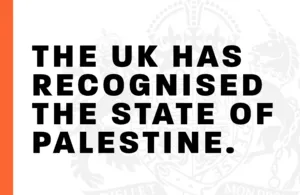
LONDON — In a landmark decision, Britain has formally recognised a Palestinian state, a move announced by Prime Minister Keir Starmer on Sunday. This step aligns the UK with over 140 nations that already back Palestinian statehood and marks a significant shift in British foreign policy.
Starmer stated the decision was a direct response to the "utterly intolerable" humanitarian crisis in Gaza and an effort to "revive the hope of peace" and a two-state solution.
The UK's decision carries particular weight due to its historical involvement in the region. Britain was granted a mandate to administer Palestine after World War I and issued the 1917 Balfour Declaration, which supported a "national home for the Jewish people" while also pledging to protect the rights of non-Jewish communities.
The head of the Palestinian Mission to the UK, Husam Zomlot, highlighted this historical context, describing Britain's recognition as a "long overdue" step that helps "correct history."
The announcement has garnered mixed reactions within the UK. While some Londoners view it as a necessary first step towards peace, others express scepticism about its practical impact.
A YouGov poll shows that public support for recognizing Palestinian statehood significantly outweighs opposition, with younger generations being particularly supportive.
In response to the move, Israeli Prime Minister Benjamin Netanyahu criticized the decision, stating it was a "huge reward to terrorism" following the October 7th attack.
However, Starmer insisted that the recognition was not a reward for Hamas and was instead a move to keep the prospect of a two-state solution alive. The decision will likely elevate the status of the Palestinian Mission in London to a full embassy.


