
Nepal UK
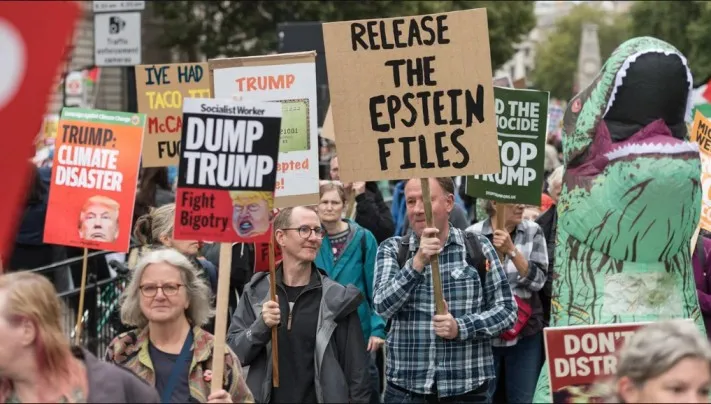
Photo: CBS News
LONDON — U.S. President Donald Trump's second state visit to the United Kingdom has been met with both high-level diplomatic meetings and widespread public opposition across the capital.
As Trump and Prime Minister Keir Starmer held talks on foreign affairs and a new investment package, thousands of demonstrators took to the streets of London to protest the visit.
On Thursday, the U.S. leader met with Starmer at Chequers, marking a pivotal moment in the trip. The two leaders celebrated the unveiling of a substantial £150 billion package of U.S. investment in Britain.
The deals, which cover sectors such as technology, energy, and life sciences, include a £31 billion pledge from tech giants like Microsoft, Nvidia, Google, and OpenAI.
The meeting also touched on sensitive geopolitical issues, including the war in Ukraine and the situation in Israel, which analysts had predicted would be points of friction.
However, the state visit was simultaneously defined by the public's dissent. The Stop Trump Coalition, a collective of more than 50 charities and unions, organised a march from Portland Place towards Whitehall.
The Metropolitan Police estimated that up to 5,000 people were in attendance. Protesters carried signs with slogans like "No to racism" and "Stop arming Israel," while a smaller replica of the famous Trump Baby blimp flew above the crowds.
The demonstration, which included speakers like singer Billy Bragg and former Labour politician Jeremy Corbyn, was a chance for a wide range of individuals to voice their opposition.
The protesters, who were asked to be considerate to the local community, also made their presence felt in Windsor.
The day was further marked by related incidents, including the appearance of a van decorated with a photograph of Trump and Jeffrey Epstein, as well as the arrest of four men who projected images onto Windsor Castle on Tuesday.


