

Nepal UK
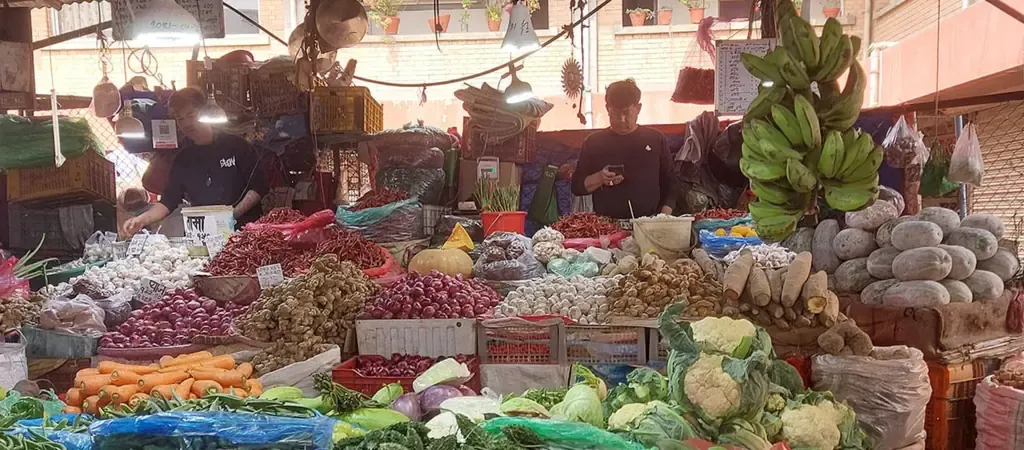
Nepal Rastra Bank's latest figures show inflation more than tripling in a year as West Asia's war lifts fuel costs. Record reserves cushion the economy, but households and the diaspora sending money home feel the squeeze.
Consumer prices in Nepal rose 5.96 per cent year on year in the month to mid-August 2026, up from 1.68 per cent a year earlier, according to Nepal Rastra Bank (NRB) data published on 18 September. For Nepalese families overseas, whose remittances underpin household budgets, the figures show the money sent home is buying less.
What the data show NRB's report on the first month of fiscal year 2026/27 puts wholesale price inflation at 8.27 per cent, against 2.37 per cent a year earlier. Food and beverage prices rose 6.77 per cent after falling 2.28 per cent a year earlier, according to Nepalnews's analysis of the report. The same analysis cites transport prices up 13.17 per cent, ghee and oil up 15.62 per cent, and Brent crude at US$92.02 a barrel, 36.7 per cent higher than a year earlier. Intermediate-goods prices at wholesale rose 13.62 per cent, which the article notes usually reach shop shelves later.
Remittances: strong, but flattered by the exchange rate Remittances reached Rs 215.05 billion in the month, up 21.2 per cent in rupee terms but 10.2 per cent in US dollars (US$1.40 billion). The gap reflects rupee weakness. Nepalnews reports remittances equalled 35.8 per cent of GDP in 2025/26, with roughly 40 per cent from the Gulf. That concentration matters because the region is at the centre of the conflict driving energy prices. NepalUK has not seen published evidence in this data of job losses among Nepalese workers in the Gulf; readers should not infer them.
A cushion, not a cure Gross reserves stood at Rs 3.946 trillion (US$25.84 billion), covering 18.8 months of imports of goods and services. NRB's own floor is seven months. The trade deficit widened 24.9 per cent to Rs 148.74 billion, as imports rose 31.0 per cent and exports 61.7 per cent from a low base. Private-sector credit grew just 0.4 per cent over the month.
What is not yet clear The NRB figures cover only the period to mid-August and so predate the 26 August flood. Nepalnews's article does not attribute inflation to the flood, and the effect on prices of damaged roads and border trade disruption is not yet measured. The NRB document's metadata is also inconsistent (its header carries a 2025 date), so readers should treat the 18 September publication date, taken from its footer, with care.
Why it matters for readers Anyone sending money should expect recipients' costs, especially transport and cooking oil, to rise. Those paying in sterling should note the sterling–rupee rate affects what arrives; NepalUK recommends comparing regulated transfer providers. Policymakers face a choice between supporting growth, where credit is weak, and containing prices. NRB's next monthly release will show whether the August spike persisted.


