

Nepal UK
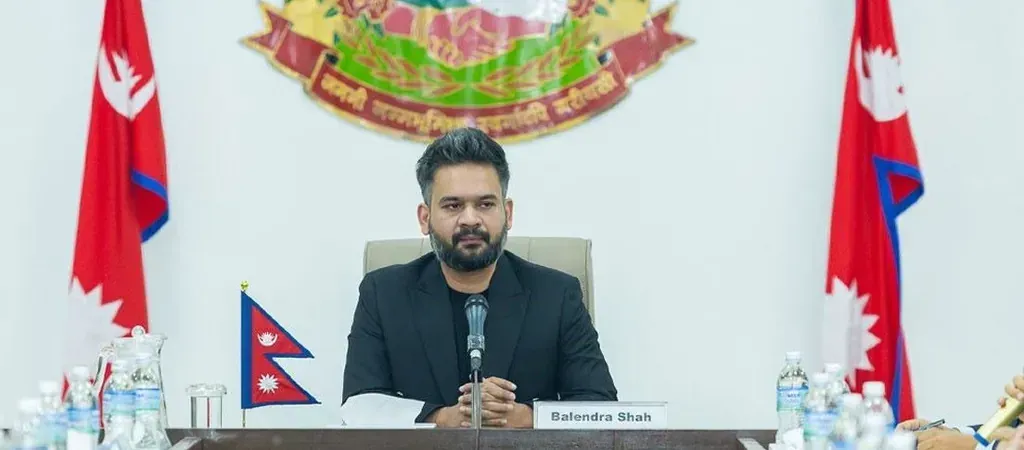
Prime Minister Balendra Shah has used his Dashain messages to promise a government that serves citizens and to commit to ending the conditions that push Nepali people abroad for work. The pledges are significant for the Nepalese diaspora, but the messages so far name no policies or timetables.
What the Prime Minister said
In a Vijaya Dashami greeting reported on 21 October, Shah urged Nepali citizens to fight corruption, poor governance, bureaucratic delay, inequality and political distortion. He called for collective effort so that "every citizen feels that the government is there to serve them", and said "honest efforts, firm resolve and collective action can help overcome entrenched problems". He also urged people to give up arrogance, greed, jealousy, violence and discrimination, and encouraged them to reconnect with friends and relatives from whom they had drifted. He extended his wishes to Nepali people at home and abroad.
An earlier Dashain message, reported on 17 October, covered the economy more directly. Shah said Dashain had been celebrated through the earthquake, the pandemic and last year's "Gen Z" movement and period of tension. He mourned those killed in the Bhotekoshi–Trishuli floods and said the government was urgently rehabilitating displaced people. He said the government wanted the festival not to place a financial burden on anyone. On migration, he said the government was committed to ending the situation that forces Nepali citizens to leave the country in search of work abroad, by creating jobs and promoting prosperity at home.
The gap between greeting and policy
Festival messages are ceremonial, and these are no exception. The reports seen by NepalUK do not identify a specific reform, budget line or deadline attached to either the anti-corruption call or the employment pledge. That matters because the promise on migration is among the most ambitious a Nepali leader can make. Many families, including many in the United Kingdom, depend on relatives who work overseas, and a commitment to make leaving unnecessary is measured by jobs created, not by language. NepalUK has not included employment or remittance statistics here because they were not part of the verified material gathered for this report.
Everyday accounts from Kathmandu on Dashain day show how far there is to travel. One report from the capital described Lal Kumari Rokaya, a 26-year-old street vendor from Jumla, who said, "We have no money, so we don't even feel whether Dashain has arrived or not." She estimated a journey home would cost Rs13,000 to Rs14,000. In the same report, a 66-year-old man from Kavre said he had been unable to receive the government's senior citizens' allowance because his citizenship certificate records a younger age than his actual age. These are individual accounts, not national data, but they illustrate the administrative and economic problems the Prime Minister's words describe.
What remains to be seen
The government's credibility on both promises will be judged by action: reform of public services that citizens meet every day, enforcement against corruption, and visible job creation outside Kathmandu. Recovery from the Bhotekoshi–Trishuli floods is the first large test. On 5 October, a disaster council chaired by Shah recommended Rs559.17 billion for 504 reconstruction plans, and how that money is spent and monitored will show whether the language of good governance translates into practice.
No response from opposition parties to the messages had been published in the material reviewed at the time of writing.


