

Nepal UK
aljazeera
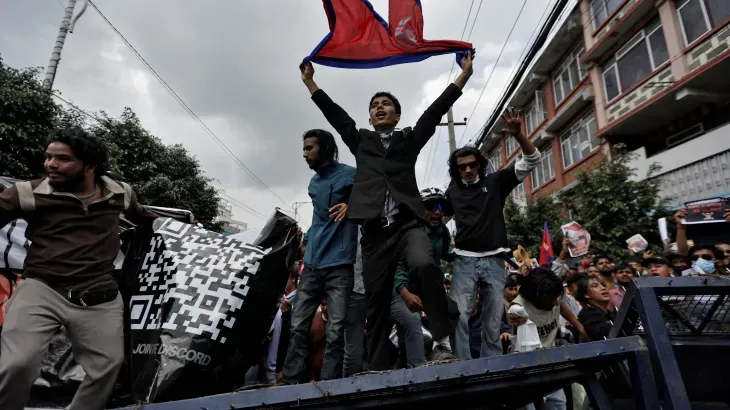
The uprising's trajectory has been unusually fast by historical standards: interim PM Karki's government organised parliamentary elections within six months, held on 5 March 2026, in which Shah's Rastriya Swatantra Party — a centrist outsider party founded only in 2022 — won a decisive 182 of 275 seats, sweeping aside establishment parties that had dominated Nepali politics for two decades. Shah, formerly the rapper-turned-mayor of Kathmandu, was sworn in as prime minister on 27 March 2026. Yet the movement's own relationship with the government it helped install has soured: reporting in July 2026 noted that many of the same Gen Z activists who backed the RSP were back on the streets within months, accusing the new administration of failing to deliver on anti-corruption and accountability promises — a pattern documented by outlets tracking the "unfinished revolution."
For the UK's Nepali diaspora, particularly second-generation Nepalis and students, the anniversary carries specific resonance. During the protests, diaspora social media users actively pushed back against Western outlets that framed the unrest as merely a reaction to the platform ban, insisting international coverage recognise it as a broader anti-corruption movement — pressure that led some outlets to revise their reporting. Family WhatsApp and Viber groups spanning the UK and Nepal reportedly became sites of generational friction, with older relatives questioning property destruction while younger diaspora members defended it as necessary rupture. That generational split mirrors the identity tensions NepalUK's own readership navigates daily between first-generation caution and UK-raised youth activism.
One year on, the practical question for the diaspora is whether Nepal's new government will translate the uprising's anti-corruption energy into the diaspora-facing reforms — dual citizenship, property rights, investment protection — that RSP campaigned on. With Gen Z protesters already back on the streets questioning the new government's follow-through, UK-based Nepalis with family, property or investment interests at home have reason to watch the coming months closely rather than assume the uprising's promises are settled.


