

Nepal UK
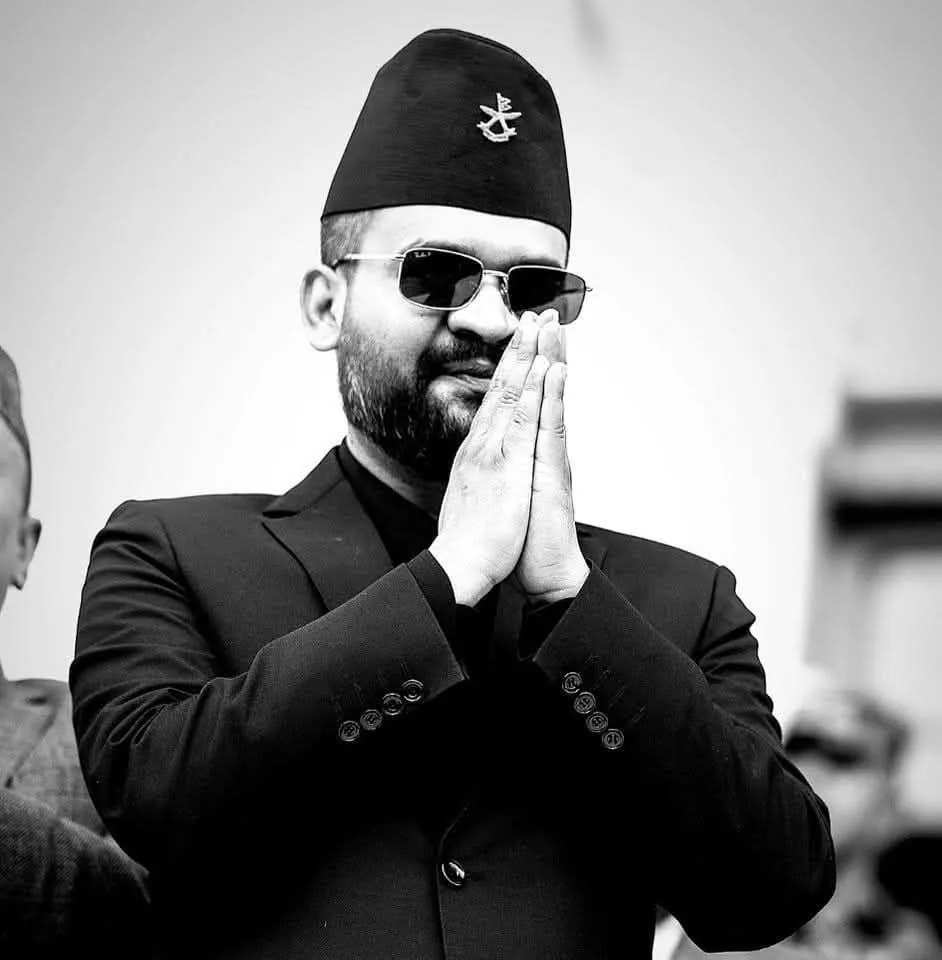
As Nepal approaches the first anniversary of the September 2025 Gen Z protest movement that toppled the Oli government, 36-year-old Prime Minister Balen Shah — the former Kathmandu mayor and rapper whose Rastriya Swatantra Party won 182 of 275 seats in the March 2026 election — has completed his first hundred days claiming 87.2 percent progress on a 100-point reform agenda, including a pledge to deliver passports, licences and citizenship documents through the postal system. For Non-Resident Nepalis in Britain, who have spent nearly two decades lobbying for smoother citizenship and identity-document processes and unresolved dual-citizenship rights, this is the clearest signal yet that reform-minded, youth-driven governance may translate into administrative changes that actually reach the diaspora.
Shah's rise followed the extraordinary five days in September 2025 when, after the elected government collapsed amid deadly protests that killed at least 34 people and saw Parliament and the Supreme Court torched, the Nepal Army brokered talks between the state and a loosely organised group of Gen Z activists — reportedly settling on interim Prime Minister Sushila Karki partly via an online Discord poll. Karki's government, tasked solely with stabilising the country and delivering elections, oversaw a March 2026 vote in which 52 percent of an expanded electorate were aged 18–40. Shah's subsequent cabinet, heavy on technocrats, has focused on downsizing ministries, depoliticising the civil service, and streamlining citizen services — the postal-delivery pledge for citizenship documents is the single most directly relevant reform for the UK diaspora, since document renewal has long been one of the most cited frustrations among NRNs. Nepal's constitution still does not permit dual citizenship, and as of the most recent parliamentary review, no amendment has passed due to disagreements over eligibility criteria, particularly the open border with India and security concerns about nationals of "geopolitically sensitive" countries holding Nepali-citizenship-equivalent status. NRNA has continued to press the case, but the practical test for UK Nepalese watching from Aldershot to Reading will be whether Shah's reform agenda — built on youth-protest legitimacy rather than traditional party machinery — survives contact with the same bureaucratic and coalition pressures that have sunk reform promises before it.


