

Nepal UK
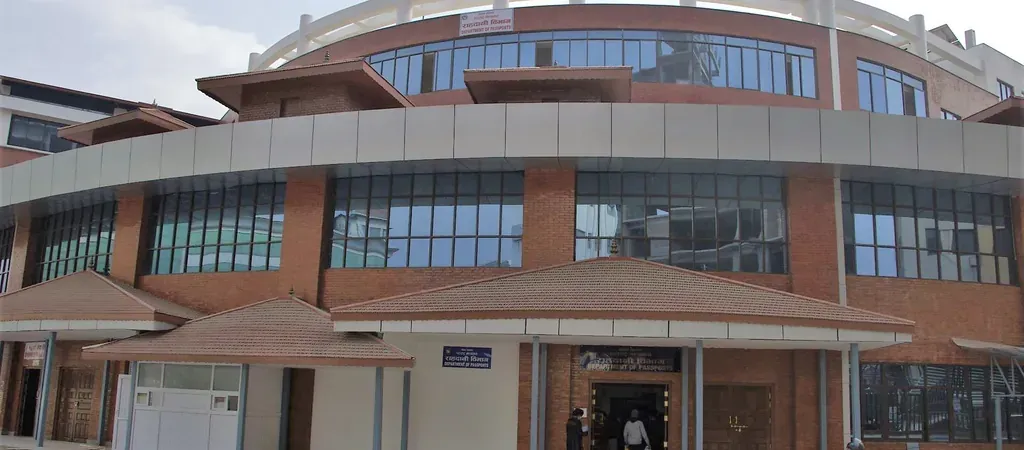
Two German contractors have stopped supplying Nepal's biometric passport system, saying they are owed hundreds of millions of rupees. Passport stock could run short within two months, according to officials cited by Nepal News.
Veridos and Mühlbauer, the German firms that print and support Nepal's passports, have halted services over unpaid dues, Nepal News reported on 1 October. The Department of Passports first attributed the outage to internet connectivity problems, the report says. For the millions of Nepalese who need a passport to study, work or travel, including those overseas, a dispute over payment has become a public-service risk.
The claims
According to Nepal News, Veridos is owed about Rs 400 million and Mühlbauer about Rs 820 million. The firms say the Supreme Court has already upheld the contract's legality and that pending lower-court cases should not justify withholding payment. Officials cite pending Special Court cases and directives from the Commission for the Investigation of Abuse of Authority. A department official said the problem "had been identified and was being resolved."
The report says 234,196 applications have been received since the system began, with 92,684 passports distributed, and officials warn of a severe shortage within two months. These numbers come from a single report and have not been independently confirmed.
Background
OnlineKhabar reported on 1 July that the ministry had confirmed the German firms would continue printing under the existing contract once the roughly 50,000 passports then in stock were used. At that point Veridos had printed around 500,000 booklets and was awaiting about Rs 420 million; the figure is close to, but not identical with, the Rs 400 million now reported, and the difference is unexplained. The contract followed an international tender: the German consortium bid $8.61 per passport against $9.93 from IDEMIA, the previous supplier. The anti-corruption commission later arrested Department of Passports officials and filed charges seeking Rs 10.13 billion in damages. Those are allegations in court proceedings; no guilt has been established in the sources reviewed.
Analysis (NepalUK's own assessment)
The dispute sets two legitimate state interests against each other: guarding public money while a corruption case runs, and keeping an essential service working. The firms point to a Supreme Court ruling; officials point to the lower-court cases. Without a legal route to pay undisputed amounts, such as payment into escrow or a negotiated schedule, the impasse could outlast the stock. We have no evidence on whether either route is under discussion. For Nepalese abroad, the likely effect is slower issuance and renewal at a time when many also need documents for visas and residency steps, as with the Japan fee changes covered above. That consequence is our inference, not a reported finding.
Not yet obtained: a formal statement from the Ministry of Foreign Affairs or Home Ministry on this halt, and any comment from the anti-corruption commission. NepalUK will update when available.


