

Nepal UK
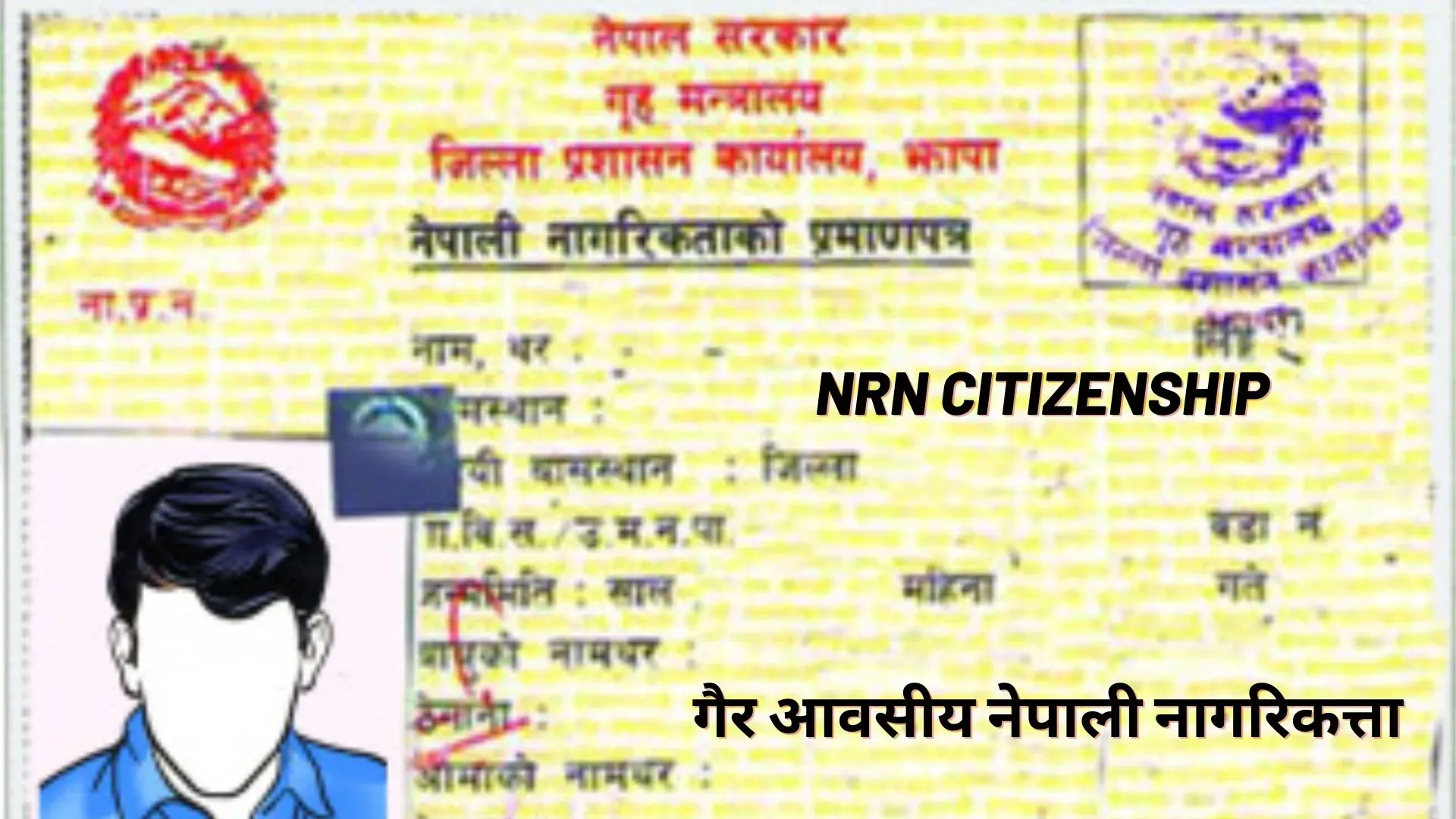
Under Article 10 of Nepal's Constitution, a Nepali citizen who voluntarily acquires foreign nationality automatically loses Nepali citizenship on the date they do so. For the large cohort of Nepal-born Britons who have naturalised as UK citizens — a population the 2021 Census put at 77,349 in England alone, plus 1,271 in Wales — this means forfeiting the right to own certain classes of property in Nepal, vote, hold office, or carry a Nepali passport, even after decades of residence abroad. The NRNA has advocated for a dual citizenship provision for years as its flagship policy ask, but as of April 2026 no legislative change has been tabled in Nepal's Parliament to alter Article 10. In its place, Nepal offers the Non-Resident Nepali (NRN) identity card — a special status permitting foreign-nationality holders to invest, bank, and own limited property in Nepal without restoring political citizenship. The gap between the NRNA's ask and what NRN status actually delivers remains a persistent source of frustration and debate within diaspora leadership circles, particularly among UK-based professionals and business owners who argue that unresolved property and inheritance rights discourage long-term investment in Nepal. Whether this changes will depend on domestic Nepali politics rather than diaspora lobbying alone, and no timeline for a constitutional amendment has been set.
Sources & Citations:


