
Nepal UK
The largest party in Nepal's former establishment has gathered thousands of delegates to choose its leadership, with a rival faction staying away. How the contest ends will shape opposition politics in a parliament now dominated by newer forces.
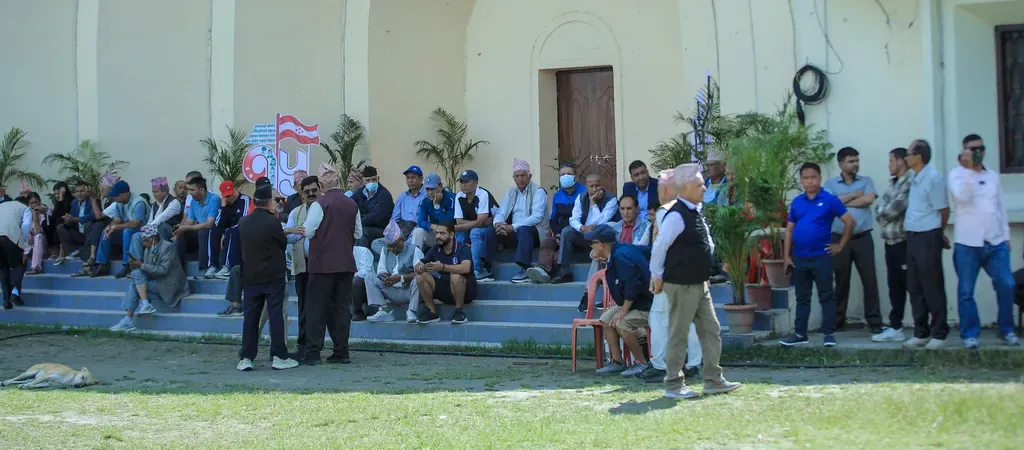
The Nepali Congress opened its 15th general convention at Khula Manch (Tundikhel) in Kathmandu on 4 October 2026, with party president Gagan Thapa delivering the inaugural address. According to the Nepal News evening briefing of the same day, more than 7,700 delegates attended and voting for central office-bearers is scheduled for 7 and 8 October. Former president Sher Bahadur Deuba did not attend; the Kathmandu Post noted his reserved seat. For Nepali communities abroad, many of whom retain party affiliations through overseas chapters, the result will influence who leads one of the country's oldest parties into the next electoral cycle.
A convention under a legal and factional cloud
The convention follows months of dispute. Kathmandu Post reported in August that the Thapa faction was pressing ahead despite a legal challenge from the Deuba camp, and ekantipur reported the establishment deploying 85 election officers across 77 districts. Nepal News reported that the Deuba-led group is boycotting and plans its own convention in December. That claim comes from a single summary source and I could not confirm it elsewhere today; readers should treat it as reported, not established. The Deuba camp's own account of the legal dispute was not available in the material reviewed.
What Thapa said
The Kathmandu Post reported Thapa as saying: "Citizens had legitimate aspirations. We failed them." It also quoted him: "We are prepared to lose not one but five elections for our principles." Nepal News reports that the party's proposed roadmap includes contesting future elections without pre-election alliances, restructuring the party and widening youth participation, under the vision "Prosperous Nepal, Respected Nepali." These are proposals set out at the convention, not adopted policy until the delegates vote.
Reactions from other parties
Other leaders attended. Nepal News listed remarks from Rabi Lamichhane of the Rastriya Swatantra Party (RSP), whose party won the March 2026 election and leads the government under Prime Minister Balendra Shah; Pushpa Kamal Dahal; Baburam Bhattarai, who urged a 20-year development plan; and Rajendra Lingden of the RPP, who warned politics faces "a dark tunnel." The Kathmandu Post reported Lamichhane pledging continued cooperation "for democracy and change". The attendance of rival leaders suggests the convention is regarded as a significant national political event.
Analysis: why the split matters
Two features deserve scrutiny. First, a roadmap that rules out pre-election alliances is a notable break from a party that has usually governed through coalitions; whether delegates endorse it, and whether it survives contact with a fragmented parliament, remains untested. Second, a December rival convention, if it goes ahead, would raise questions over who legally holds the party name, symbol and assets. That would be a matter for the Election Commission and the courts, and I found no reporting on how either would respond. These are editorial inferences, not reported facts.
What happens next
The key dates are 7 and 8 October. The results, any legal challenge, and the Deuba faction's next steps are the points to watch.


