

Nepal UK
File Photo
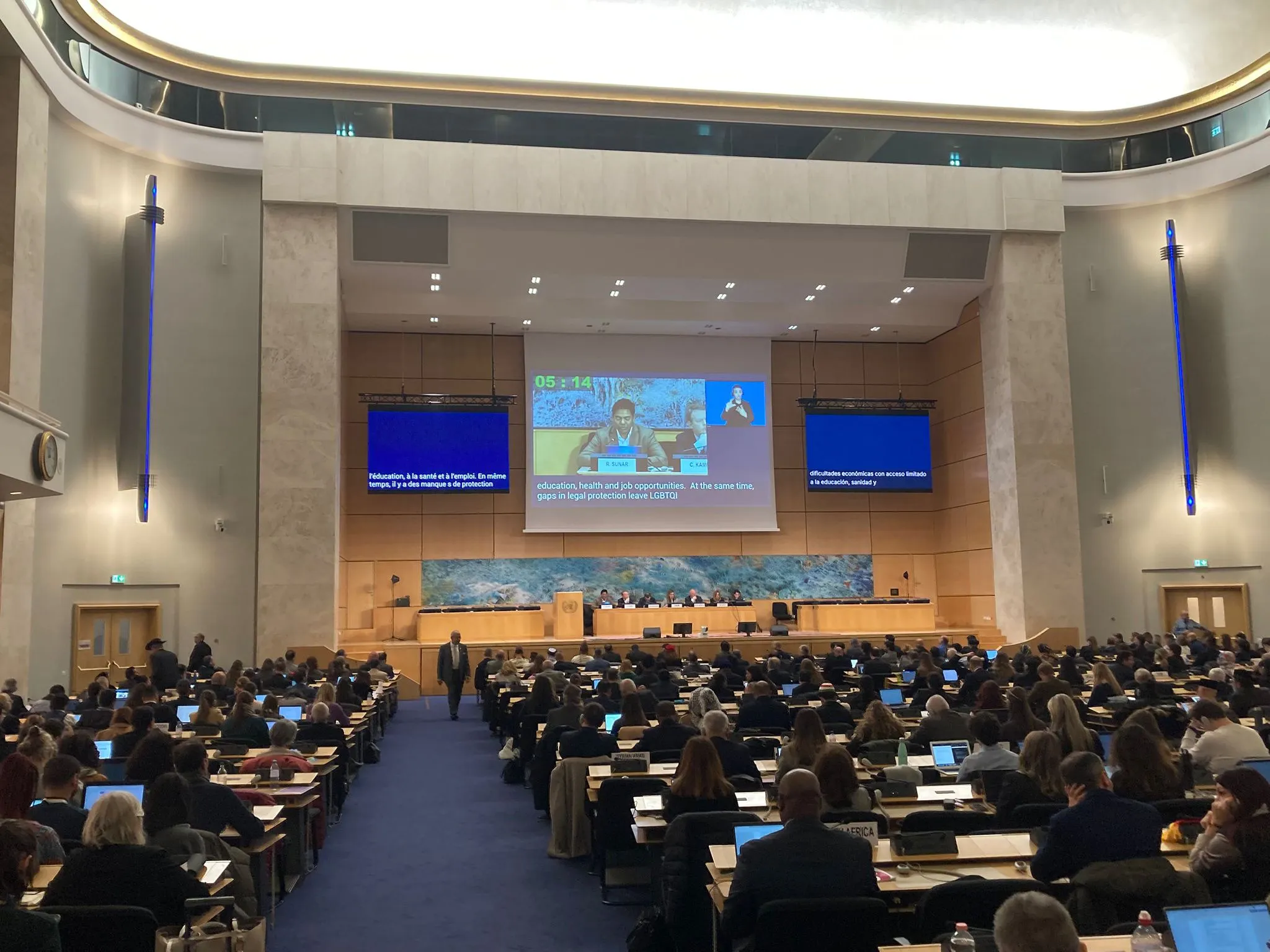
Geneva – Nepali civil society representatives have presented key human rights concerns during the pre-session for Nepal’s Fourth Universal Periodic Review (UPR), held under the United Nations Human Rights Council, in Geneva.
The session provided the international community with an in-depth overview of the country’s human rights situation, the challenges faced, and priority areas requiring reform.
The pre-session primarily focused on critical and long-standing issues such as transitional justice, gender-based violence, women’s and children’s rights, the rights of persons with disabilities, Dalit and Indigenous Peoples’ rights, intersectional discrimination, access to justice, and citizenship through the mother’s name. These issues—deeply connected to the protection and promotion of human rights in Nepal—were highlighted as areas demanding urgent attention.
With the active participation of representatives from Nepal’s civil society, the session provided the international community with an in-depth overview of the country’s human rights situation, the challenges faced, and priority areas requiring reform.
Civil society representatives from Nepal—including Mandira Sharma, Sabin Shrestha, Laxmi Pokharel, Meena Paudel, , Moti Nepali, Sarita Barmaska and Rup Sunar, among others —presented concrete facts, lived experiences, and recommendations. Their presentations shed light on persistent gaps, unfulfilled state commitments, and systemic problems that continue to obstruct human rights progress in Nepal.
“Bringing minority issues to the global stage is not just a responsibility—it is an essential step toward building solidarity and pushing states to uphold their commitments,” said Rup Sunar, Chairman of Dignity Initiative, a Kathmandu-based rights organisation. “In Geneva, we met with the permanent missions of Switzerland, Turkey, Norway, Finland, and the EU Delegation. Many more meetings are scheduled. I also had an opportunity to speak at the CSO meeting convened by the EU Delegation to Geneva highlighting key human rights issues faced by the Dalit community.”
Nepal’s formal fourth-cycle UPR review is scheduled to take place in January 2026 in Geneva. During the review, Nepal will be questioned by member states regarding its progress so far, remaining challenges, and future plans. Every UN member state undergoes a UPR review approximately every four and a half years, submitting a national report that outlines responsibilities, commitments, challenges, and steps taken toward improving human rights conditions.
The core objectives of the UPR process include ending all forms of inequality and discrimination, enhancing the human rights environment for all, holding governments accountable for their human rights commitments, building the capacity of states, and promoting cooperation and coordination for human rights protection and promotion, reports said.


