

Nepal UK
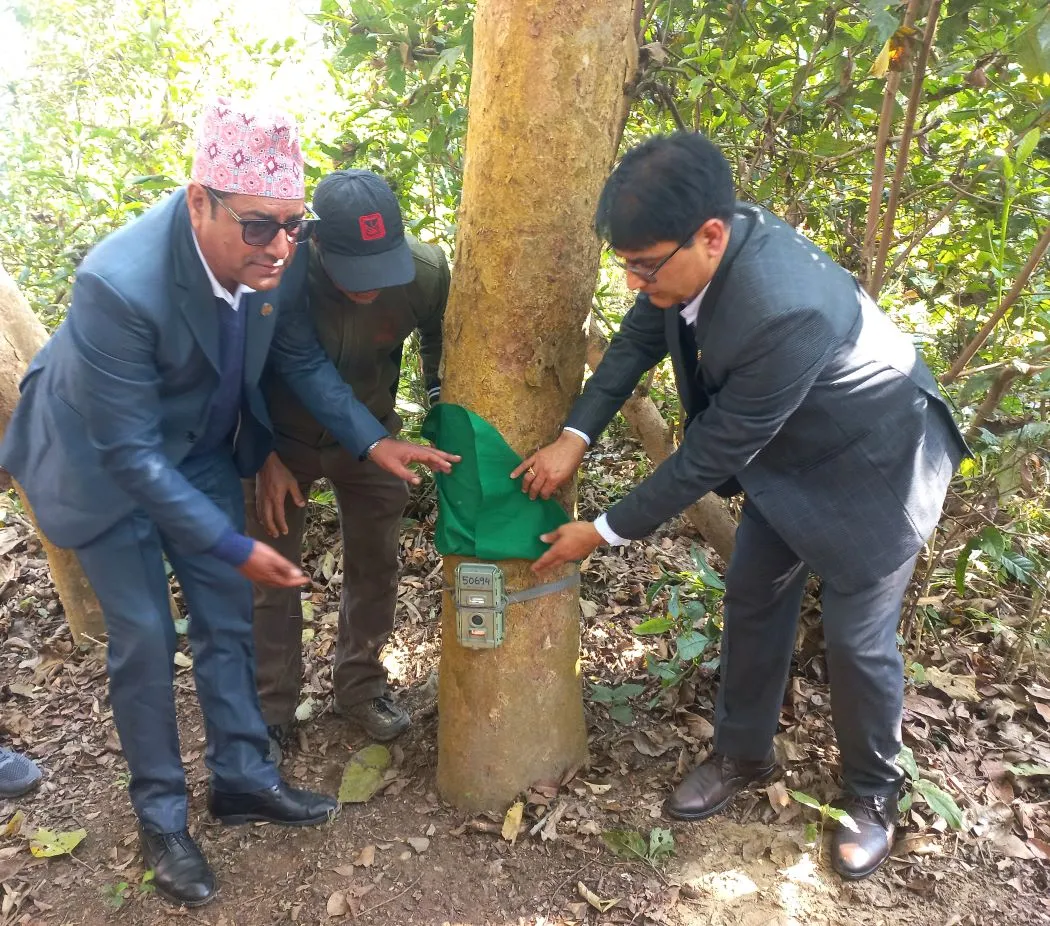
Photo – RSS
Kathmandu – Nepal starts counting tigers as the number more than doubles in recent years.
Nationwide tiger census has commenced from Sauraha, Chitwan, in Southern Nepal from Wednesday (17th December), officials said.
The census, , conducted once every four years, is being led by the Department of National Parks and Wildlife Conservation (DNPWC) under the Ministry of Forests and Environment, in coordination with the Department of Forests and Land Conservation. The National Trust for Nature Conservation (NTNC), World Wide Fund for Nature (WWF) Nepal, and the Geological Society of Nepal are providing technical and logistical support.
The tiger count is being carried out with the assistance of the Nepali Army, Buffer Zone and Community Forest Users’ Committees.
According to the DNPWC, the census is expected to be completed within two and a half to three months, with the nationwide mobilisation of 25 technical personnel, RSS news agency reported.
‘100 camera traps to be installed’
DNPWC Director General Buddi Sagar Paudel stated that 1,100 advanced camera traps are being installed across tiger habitats. The tiger population will be estimated through the analysis of photographic captures of the species.
An estimated budget of approximately Rs 30 million is expected to cost for the census, covering the mobilisation of human resources, management of memory cards, tents, sleeping bags, and other logistical requirements.
Nepal started counting the tiger population systematically using automated camera trap since 2009.
In 2009, there were 121 tigers in Nepal, which rose to 235 in 2018.
Tigers that have entered human settlements, attacked humans and domestic animals, or have been found injured are being rescued and kept in enclosures.
The World Wildlife Fund for Nature (WWF) praised an “inspirational” conservation success as Nepal increases its wild tiger population by 190 per cent. The National Tiger and Prey Survey 2022 had highlighted the importance of maintaining and rigorously protecting core habitats, partnering with communities to ensure long-term conservation success, and expanding conservation to include corridors and habitats beyond existing Protected Areas.
In 2022, officials said number of wild tigers rose to 355 individuals, historic 190 per cent increase since 2009.


