

Nepal UK
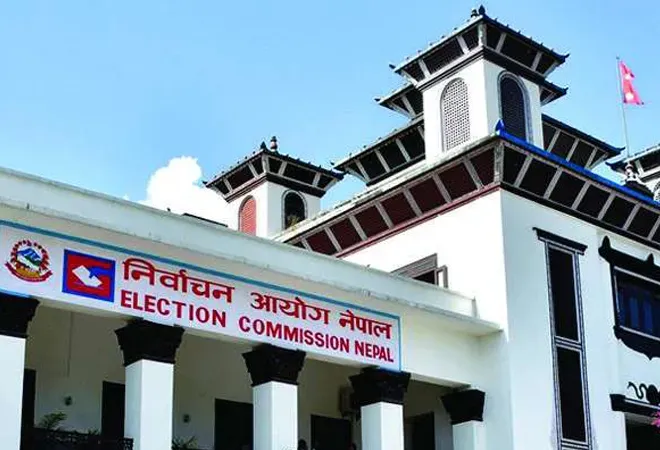
Kathmandu: The interim government of Nepal has begun preparations to remove legal obstacles to ensure voting rights for Nepali citizens living abroad.
To make arrangements for overseas voting, four existing laws need to be amended, officials said.
Currently, the existing election-related laws do not include provisions for overseas voting, hence the need for legal amendments. According to Bharat Mani Rizal, Joint Secretary and Head of the Legal Division at the Ministry of Home Affairs, the ministry has prepared a draft to remove legal barriers and ensure voting rights for Nepalis residing abroad.
He said, “We have sent the draft to the Election Commission for feedback. Once the Commission provides its suggestions, the amendment proposal will be presented to the Cabinet.”
Since the House of Representatives was dissolved in September this year in the aftermath of the Gen Z protests, the interim government is planning to amend related laws through an ordinance. According to the ministry, amendments are needed in the Voter List Act, Election Offenses and Punishment Act, Election Commission Act, and House of Representatives Election Act to guarantee voting rights for Nepalis abroad.
Mahadev Panth, Secretary at the Election Commission, said the Commission had received the draft amendments from the Ministry of Home Affairs. “We received the draft only two days before the public holidays,” he said. “The Legal Division of the Commission is currently studying it, and we will send it back with necessary suggestions soon.”
To allow Nepalis abroad to vote, their names must be included in the voter list, which requires collecting their personal details. Therefore, the Voter List Act needs to be amended. The proposed amendment would allow the Commission to collect details of eligible Nepalis living abroad who are not yet registered in the voter list. It also authorizes the Commission to coordinate with Nepali embassies, consulates, and other diplomatic missions abroad to collect such information.
The process of collecting details, the required documents to be provided by the citizens, and other arrangements will be outlined in a specific procedure (working guideline). The government also plans to allow registered voters residing abroad to vote from their respective countries through Nepali diplomatic missions designated for those countries by amending the Election Commission Act.
Even after removing legal barriers, the government and the Election Commission still need to clarify whether Nepalis abroad will be allowed to vote under the first-past-the-post (direct), proportional representation, or both systems.
For now, both the government and the Commission are preparing to make arrangements for voting under the proportional representation system only, in the upcoming election scheduled for March 4 (Fagun 21), officials said.
Nepal currently has diplomatic missions in over 40 countries.
The list of countries where voting will be arranged will have to be published in the Nepal Gazette. To ensure that the secrecy of votes is not compromised while using information technology for voting, the Election Offenses and Punishment Act will also be amended, according to the Commission.


