
Nepal UK
Picture: NFID
Kathmandu- Nepal has eliminated rubella as a public health threat, the World Health Organisation (WHO) confirmed on Monday. The announcement marks a major milestone in the country’s campaign against vaccine-preventable diseases.
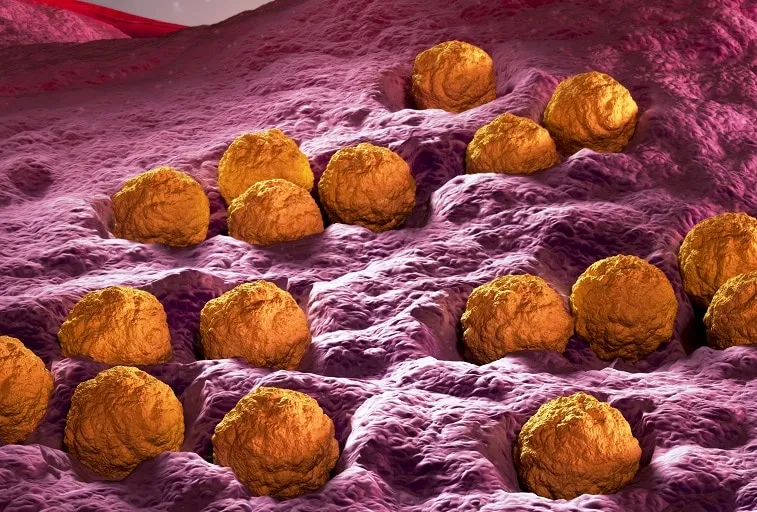
Rubella, also known as German measles, is a highly contagious viral infection particularly dangerous for pregnant women, with risks including miscarriage, stillbirth, and severe congenital disorders. The disease is preventable through safe and cost-effective vaccination.
The WHO’s Regional Verification Commission for Measles and Rubella Elimination in South-East Asia, which reviewed Nepal’s surveillance data and immunisation records at its July meeting, verified that the country had met elimination criteria.
Nepal becomes the sixth nation in the region to achieve rubella elimination, joining Bhutan, the Democratic People’s Republic of Korea, the Maldives, Sri Lanka, and Timor-Leste.
The country introduced the rubella vaccine in 2012 with a nationwide campaign targeting children aged nine months to 15 years. A second dose was incorporated into the routine immunisation schedule in 2016. Four nationwide campaigns—in 2012, 2016, 2020, and 2024—expanded coverage, helping Nepal surpass 95 per cent uptake by 2024 despite major public health emergencies including the COVID-19 pandemic and devastating earthquakes.
Efforts such as immunisation month campaigns, outreach to unvaccinated children, and incentives for districts to achieve ‘fully immunised’ status accelerated progress. Recently, Nepal also introduced an advanced laboratory testing system, the first of its kind in the WHO South-East Asia Region, to reinforce surveillance.
The WHO credited Nepal’s achievement to strong political commitment, the persistence of health workers, and the support of communities. Sustaining these gains remains a key priority to prevent resurgence.


