

Nepal UK
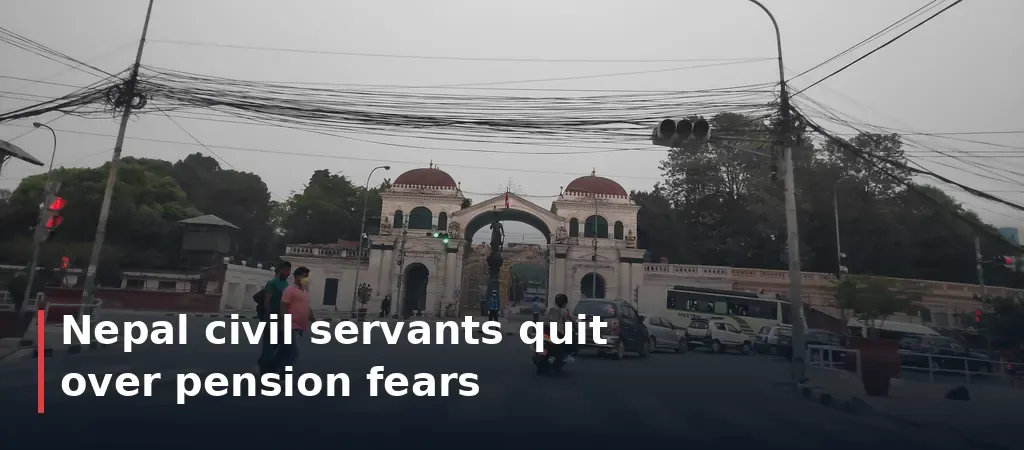
A wave of resignations from Nepal's civil service is putting pressure on a government reform bill that would rewrite pensions and force some senior officials into retirement.
A daily news digest published on 27 October reported that 464 civil servants, including four secretaries, have resigned since 17 July 2026, with officials linking the departures to proposed mandatory retirement rules. That figure comes from a single secondary source and could not be matched to an official government count. An earlier report, whose full text could not be retrieved, put the number at 376 in the four months to around September, which would be consistent with a continuing rise, but the two counts may use different start dates.
The legislation behind the departures, the Federal Civil Service Bill, was registered in Parliament on 1 October 2026. If passed it would repeal the Civil Service Act, 1993. According to an explainer published by The Kathmandu Post, the bill would raise the mandatory retirement age from 58 to 60, but require those who already have 55 or more years of age, or 30 or more years of service, to retire when the law takes effect. Pensions would count a maximum of 30 years of service and be calculated as last salary multiplied by years served, divided by 50.
The bill is not only about exits. It would allow the government to appoint outside experts to specialised posts for fixed periods, after consulting the Public Service Commission; set chief secretaries to two-year terms and secretaries to three; and organise ranks into 14 levels. The reserved share of open-competition posts for inclusion groups would rise from 45% to 49%, with half of it set aside for women. Senior officials would face a two-year cooling-off period before taking certain government or project roles, and the bill introduces explicit conflict-of-interest rules for the first time.
Supporters of such reform generally argue that fixed terms, lateral entry and conflict rules could improve performance and accountability. Critics, as the resignations suggest, see the retirement and pension provisions as punitive to long-serving staff. The Kathmandu Post explainer reported no reactions from unions or officials, and no government response to the resignation figures has been found.
A civil service that loses experienced secretaries and joint secretaries risks delays in budget execution, flood reconstruction and service delivery at a time when the state is managing recovery from this year's floods. For Nepalese professionals in the UK, the bill's lateral-entry provision may open a route for diaspora specialists to serve in time-limited government posts, though no rules for this exist yet and any such route depends on the final text.
What happens next depends on Parliament. The bill has been registered, but no committee review or vote has been reported as of 28 October. Readers should treat the resignation figures as indicative until the government publishes data. NepalUK has sought no comment from the ministry; none has been published.


