

Nepal UK
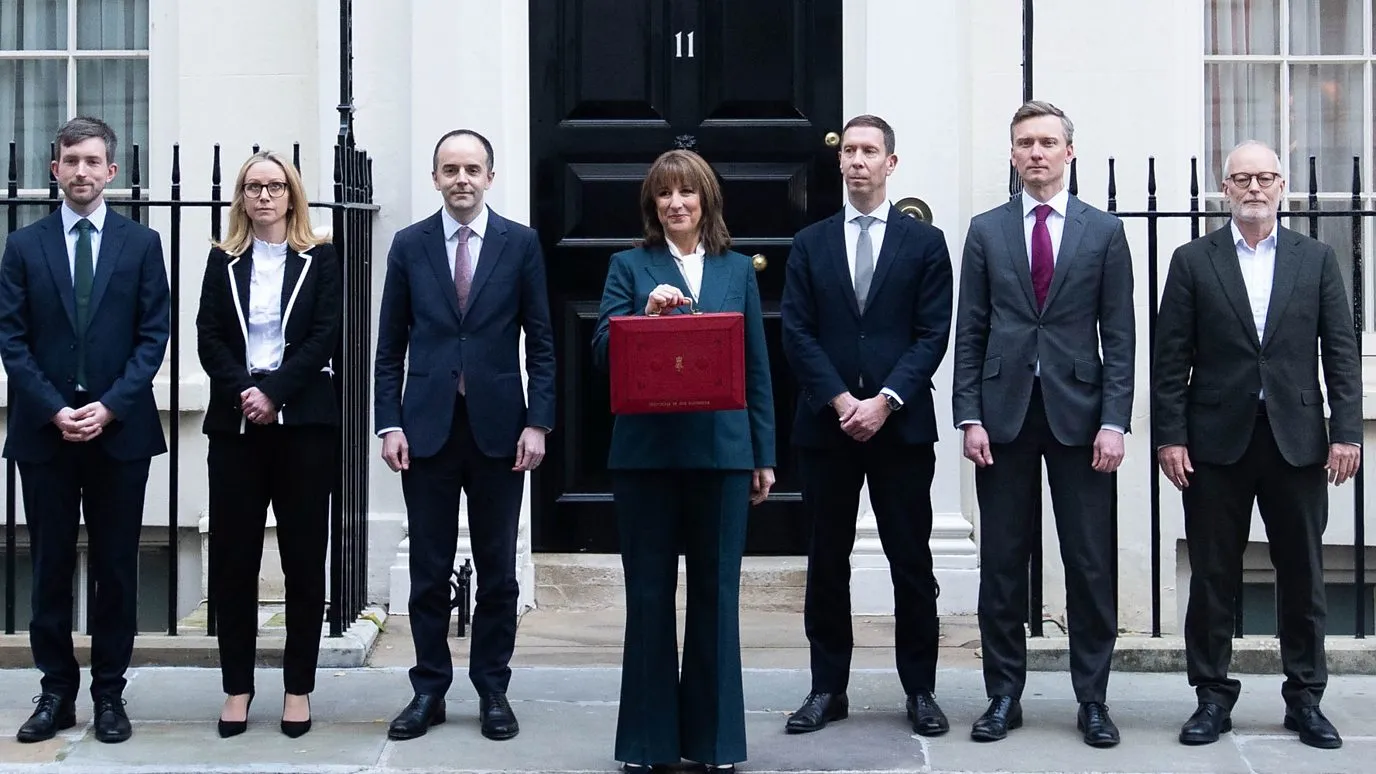
Photo credit: House of Commons/BBC
London – The British government has said millions of hardworking families struggling with household costs will benefit from the new budget with decisive action to cut £150 off energy bills, freeze rail fares and a historic move to lift 450,000 children out of poverty.
British Finance Minister, Rachael Reeves, also known as the Chancellor, is determined to break Britain out of its cycle of decline through stability, investment and reform, the 10 Downing Street said.
Chancellor of the Exchequer, Rachel Reeves said, “ I can tell you today that, for every family we are keeping our promise to get energy bills down and cut the cost of living with £150 taken off the average household energy bill from April.
Money off bills, and in the pockets of working people. That is my choice.
Upgrading the UK’s economic growth this year to 1.5% from 1% in the Spring, the government’s fiscal watchdog the Office of Budget Responsibility (OBR) said the choices taken in the Budget would reduce inflation to 0.4% next year and cut government borrowing faster than any other G7 country, meaning more money can be spent on vital public services rather than debt interest.
It also said the Chancellor would more than double headroom to over £21.7 billion – providing the stability we need for economic growth.
Front and centre of the plans is a move to take £150 off energy bills to lower inflation and ease pressure on family finances. Poorer households will save up to £300 when combined with the Warm Homes Discount.
In a range of further measures designed to ease the cost of living, commuters will save hundreds of pounds on their season tickets after rail fares were frozen for the first time in 30 years. An extension of the temporary 5p fuel duty cut for an extra 5 months, a further fuel duty freeze, and the new UK wide Fuel Finder scheme will save the average driver £89, and boosted pay-packets will give a £900 rise for full time workers on the National Living Wage and National Minimum wage. Full-time workers on the 18-20 National Minimum Wage rate will see a £1,500 rise.
‘Taxing Ordinary People to Record Levels’
Liberal Democrat leader Ed Davey told the BBC’s Today programme that Chancellor , said that Reeves is now taxing "ordinary people to record levels".
Referencing Reeves's decision to freeze income tax thresholds until 2031, Davey called it a "stealth tax" that will drag more low-paid people into paying income tax.
Davey said there are "fairer" ways to raise money - for example through reforming capital gains tax.
More than half of the tax rises will go towards paying the welfare bill, which is forecast to be £16bn higher in 2030 than previously expected.
More than half of that £16bn will be spent on U-turns such as winter fuel payments and the removal of the two-child cap on benefits.
Over £3bn is due to a greater-than-expected increase in annual benefit rates for pensioners and those of working age.
The rest includes increased disability caseloads and an increase in unemployment (which economists say last year’s tax rises contributed to).
“That increasing welfare bill underscores the ticking time-bomb that many western nations face as populations get sicker and older, as well as pressure on the chancellor to reform welfare, and the challenges she will face if she takes it on,” Dharsini David, BBC’s deputy Economics Editor wrote.


