

Nepal UK
Picture: BBC
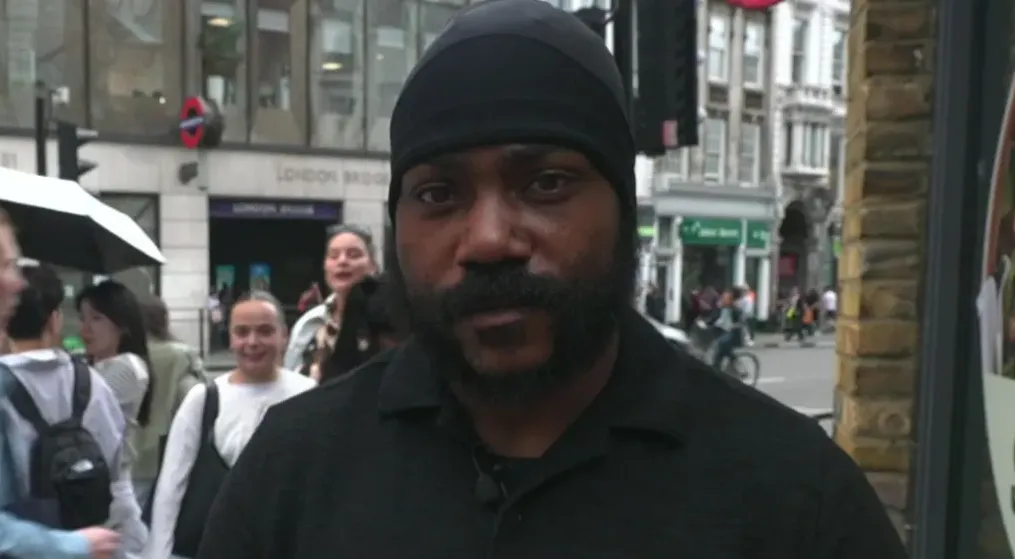
LONDON, UK - A London man is taking legal action against the Metropolitan Police after live facial recognition technology wrongly identified him as a suspect. Shaun Thompson, 39, was stopped outside London Bridge Tube station last year and labeled a wanted man. He described the experience as “stop and search on steroids,” saying officers treated him aggressively during the interaction.
Thompson’s case is the first legal challenge of its kind, brought with support from privacy group Big Brother Watch. A High Court hearing is set for January next year. The campaigners argue the technology is intrusive, unregulated, and prone to error. Thompson expressed concern for young people falsely identified by such systems, calling for structural change and greater accountability.
The police defend their use of LFR (live facial recognition), reporting over 1,000 arrests since January 2024 linked to the technology, including alleged paedophiles, rapists, and violent offenders, with 773 resulting in charges or cautions. In early 2025 alone, there were 457 arrests and just seven false alerts.
Critics highlight much higher false-match rates. According to Big Brother Watch researchers, 85% of all alerts issued since 2016 were false matches. In other words, six out of every seven alerts flagged innocent people ([bigbrotherwatch.org.uk][4]). Independent testing by the UK's National Physical Laboratory found false alerts occur at about one in 6,000 people scanned, but accuracy varies depending on thresholds set by police.
Critics also question the system’s fairness. Independent reviews have found LFR to be less accurate for people under 20, women, and Black individuals when operated under certain settings, raising concerns about bias.
Metropolitan Police say the technology is legal and overseen under existing data and human rights laws, and that images of non-matches are deleted immediately. They claim the system is accelerating justice by helping remove dangerous individuals from the streets faster, and insist it is subject to regular auditing and community engagement.
The controversy comes amid a rapid expansion of LFR use across England and Wales. In 2024, nearly 4.7 million faces were scanned—twice the number scanned the year before. The Met plans to increase deployments to up to ten times a week across five days and roll out fixed cameras in places like Croydon later this year. There are also plans to launch a national facial recognition system that combines passport, immigration, and arrest databases.
Campaigners say the scandal highlights the urgent need for governance, oversight, and transparency over a technology that currently operates under internal police guidelines, with no specific parliamentary regulation. They warn it risks turning everyone into a suspect unless clear legal safeguards are put in place.
(Source:reporting by BBC News)


