

Nepal UK
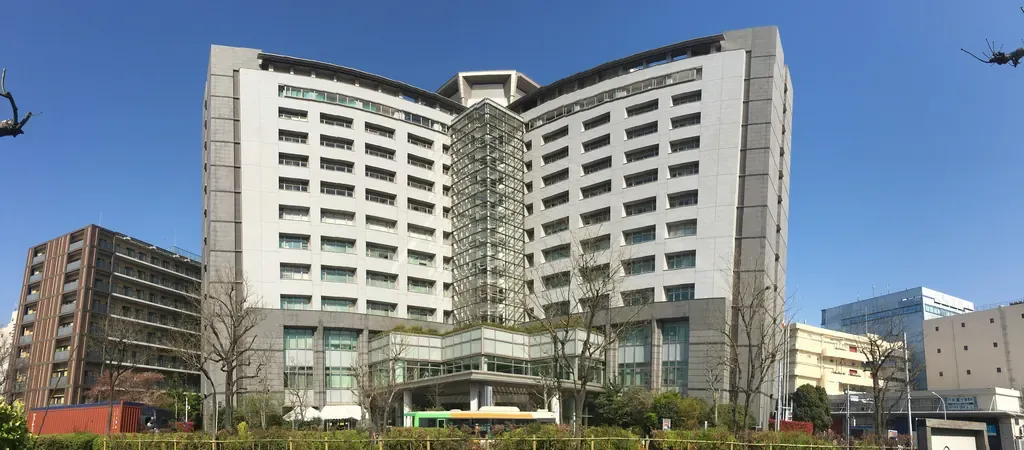
Photo: Tokyo Regional Immigration Burea
From 1 October, Japan charges ¥200,000 for permanent residency applications, up from ¥10,000, and sharply higher renewal fees. Nepalese students, workers and families in Japan are among the foreign residents who will face the new costs.
Japan raised its residence-permit fees on 1 October 2026, with the cost of applying for permanent residency rising twentyfold to ¥200,000 (about US$1,250), according to Metropolis Japan. For Nepalese living in Japan, a community that has grown through study and work routes, the change alters the cost of staying long term.
The Japanese Cabinet approved the new schedule, and the Immigration Services Agency had announced the plan on 3 July, with a public-comment period, according to Nippon.com. The main changes reported by Metropolis Japan are:
Justice Minister Hiraguchi Hiroshi said the increases would fund "an orderly society coexisting with foreign nationals," according to Metropolis Japan; NepalUK has not verified this wording against a primary Japanese government transcript.
The practical effect depends on visa length. A worker or student on a one-year status renewing each year will pay more than five times the former fee each time. A family applying for permanent residency faces a far higher up-front cost per person. We could not verify an official count of Nepalese residents in Japan or the number affected within the sources reviewed, and we have therefore not quoted one. Readers should check the Immigration Services Agency for current statistics.
The change comes alongside wider tightening: the Nippon.com report links the increases to administrative costs of a rising foreign population and to immigration-law revisions that took effect in May. Metropolis Japan reports stricter language and income requirements for permanent residency; NepalUK has not been able to confirm the detail of those requirements from a primary source.
Anyone with an application pending should confirm the receipt date and which fee applies. Longer permitted stays, where eligible, may reduce the number of paid renewals. Online filing is cheaper for most tiers. Recruitment agencies and prospective students in Nepal should factor the new costs into plans, and should be wary of intermediaries who claim to offer fee reductions not set out in official guidance.
It is unclear how many Nepalese will be affected, whether hardship reductions will be applied generously, and whether other countries will follow. Official guidance should be read directly from Japan's Ministry of Justice and Immigration Services Agency.


