

Nepal UK
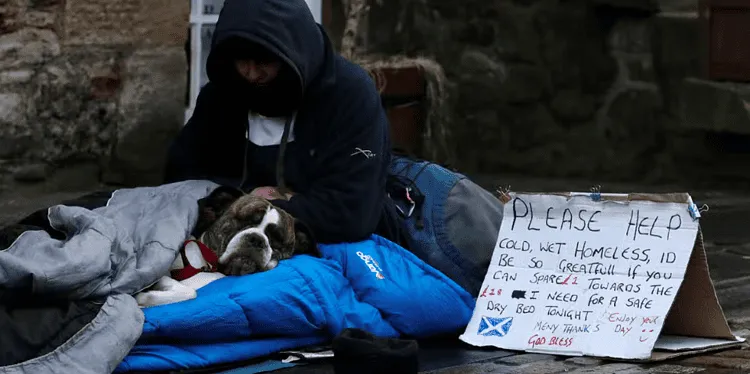
Picture: Southwark News
UK - In Southwark, south London, the reality for children in temporary accommodation is stark: for every primary school in the borough, there is a classroom’s worth of young residents living in unstable housing, according to a report by the New Economics Foundation (NEF). Between 2020 and 2024, the number of children in temporary accommodation in Southwark rose from 1,900 to around 3,500 — a jump of 77%, far exceeding the national increase of 25% over the same period.
Hollie Wright, the report’s author, described the harsh impact on these children. “They face mental health issues, malnutrition, and educational setbacks,” she said. Families are often placed in bed-and-breakfasts or nightly-paid accommodation far from their homes, forcing children to travel long distances to school or adjust to entirely new schools. One mother shared that her daughter had to do her homework leaning on a toilet seat because the family’s temporary accommodation consisted of just a single room. In another case, a child developed severe agoraphobia after being confined to one room for over a year.
Southwark Council, London’s largest local authority landlord, said it is taking steps to address the crisis. Since 2013-14, the council has built or begun construction on more than 3,000 council homes. Its Homelessness and Rough Sleeping Strategy 2025-2030 focuses on early intervention and coordination across departments to prevent families from becoming homeless in the first place. In 2024-25, the council reported a 72% success rate in preventing homelessness among families with children.
Yet the wider picture across the UK remains concerning. Many councils pay private landlords for substandard properties, which can be damp, mouldy, or physically unsafe. A lack of communication between housing, health, and social care services often means that children’s welfare goes unchecked. Nationally, spending on temporary accommodation reached around £2.3 billion in 2023-24, reflecting the immense strain on local authorities.
For the children themselves, the experience is more than numbers and policies; it is daily uncertainty and struggle. Immediate health and safety risks, emotional stress, and developmental delays are common, and the instability can leave lifelong scars. Wright summed it up: when both home and school are uprooted, a child’s future is at risk.
The NEF’s “Nowhere to Grow” study, BBC London interviews, Southwark Council’s Homelessness and Rough Sleeping Strategy 2025-2030, Shelter’s July 2025 press release, and government statistics on statutory homelessness in England from October to December 2024 formed the basis of this report.
(Sources: BBC, The Guardian, and New Economics Foundation reporting)


