

Nepal UK
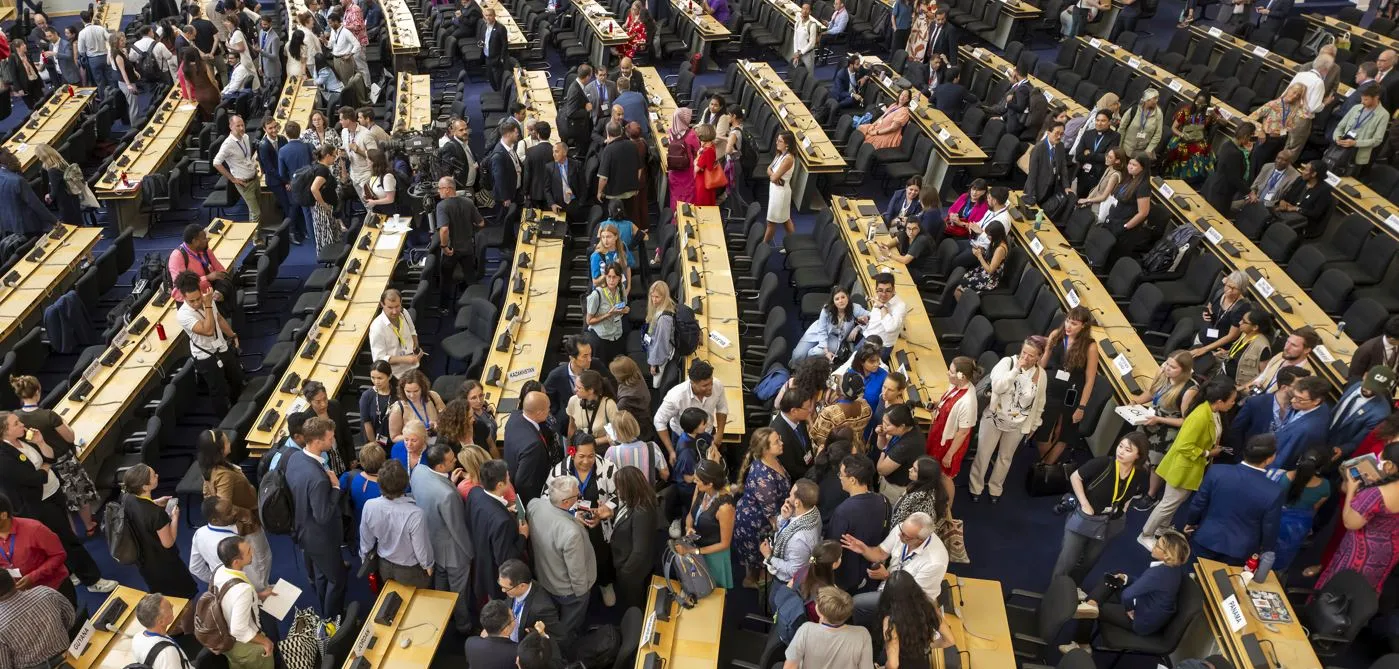
GENEVA — Negotiations for a landmark treaty to combat the global plastic pollution crisis have ended in Geneva without a final agreement, casting doubt on the timeline for a legally binding accord. The 11-day session, which was supposed to be the final round of talks, concluded with a key deadlock over whether to impose binding limits on plastic production. This marks the second time negotiators have left a high-stakes meeting without a finished treaty, following a similar outcome in South Korea last year.
Despite the setback, United Nations Environment Programme (UNEP) Executive Director Inger Andersen said "significant progress was made" and that the process will continue. However, the adjournment disappointed many nations, including Norway, Australia, and Tuvalu. A representative from Madagascar stated that the world is "expecting action, not reports from us," while European Commissioner Jessika Roswall emphasized that while the latest draft fell short, it provides a good basis for future talks.
The central point of contention in the negotiations pitted a coalition of countries seeking ambitious action against powerful fossil fuel-producing nations. Over 100 countries, including those in the "High Ambition Coalition", have pushed for global production caps and strict controls on the toxic chemicals used in plastics. They argue that it is impossible to solve the plastic pollution crisis without addressing the source.
Conversely, major oil- and gas-producing nations, including Saudi Arabia, Kuwait, and Iran, along with the plastics industry, have strongly opposed any limits on plastic production. They contend that the treaty should instead focus on improving recycling, reuse, and waste management. Saudi Arabia specifically stated that a proposal to address plastic production falls outside the scope of the treaty.
The negotiation chair presented two draft texts in Geneva, neither of which was accepted by the representatives from 184 countries. The latest draft, released on Friday, did not include a limit on plastic production but did recognize that current levels of consumption are "unsustainable" and require a "coordinated global response to halt and reverse such trends." The text was seen as a compromise that, while ambitious, was not enough to satisfy nations pushing for a legally binding agreement.
The International Pollutants Elimination Network stated that what happened in Geneva showed "consensus is dead" as a path forward. Graham Forbes of the Greenpeace delegation urged countries to move toward a voting system to overcome the deadlock caused by a few nations. As every proposal requires unanimous agreement to be included in the treaty, countries like India and Saudi Arabia have argued that consensus is vital for the treaty's effectiveness.
(Sources: Associated Press (AP), The Economic Times, The Guardian, CBS News, Reuters and local media outlets)


