

Nepal UK
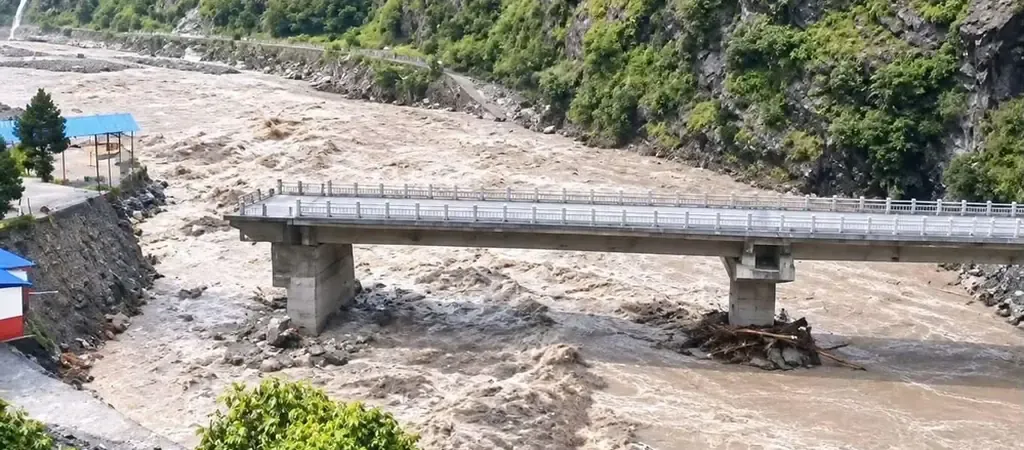
Photographer: Paras Purja.
Landslides and flood damage have hit Nepal's main trade routes with China just as festival demand peaks. Importers warn of delays and higher prices; officials say some routes could reopen within days.
All three major Nepal–China crossings (Rasuwagadhi–Kerung, Tatopani and Korala) are disrupted by flood and monsoon damage, the Kathmandu Post reported on 29–30 September, as Dashain approaches. For importers and for families overseas who send goods or money home for the festival, the delays matter.
Per the Post, Rasuwagadhi–Kerung has been closed since the 26 August flood, and reconstruction is delayed. Tatopani has been shut by China for about a month, with more than 45 containers stuck on the Chinese side and no clear reopening timeline. Korala, in Mustang, was disrupted by the recent monsoon, with more than 200 containers stranded at its customs yard; the Post says the road is estimated to reopen within a week. Nepal News separately reported on 29 September that all India–China border points remain closed due to adverse weather (as summarised; NepalUK has not checked the primary bulletin).
China supplies about 17 per cent of Nepal's imports but only 0.5 per cent of exports, the Post reported. Imports from China in July–September totalled Rs76.4 billion against exports of Rs293.3 million; in the last fiscal year the figures were Rs425.24 billion and Rs1.89 billion. The dependence is lopsided, so disruption is felt on the import side: vehicles, electronics and other festival goods. The president of NADA Automobiles, Surendra Kumar Upreti, was cited as saying 35–45 per cent of annual vehicle sales occur during festivals. Rerouting through Korala reportedly adds Rs50,000–100,000 per vehicle, and the normal Khasa-to-Kathmandu transit of 12–15 days is being extended.
Two things are worth separating. First, the shortfall may be temporary: Korala's expected reopening within a week could clear part of the backlog, though officials have not committed. Second, the episode exposes concentrated risk: three crossings, all vulnerable to the same weather and geology. The Post's figures suggest that price rises on festival goods are plausible, but no official price data has been published, so NepalUK treats that as a warning, not a fact.
For Nepalese businesses and diaspora buyers, practical takeaways are to expect delayed deliveries for China-sourced goods, to confirm shipping status with suppliers, and to note that Nepal Rastra Bank data reported by Xinhua on 18 September showed remittances rising 10.2 per cent year on year to $1.40 billion in the first month of FY2026–27, with reserves at $25.84 billion, covering 18.8 months of goods and services imports. That gives the economy a cushion, though it does not fix logistics.
Korala's reopening, any Chinese announcement on Tatopani, and the Department of Roads' promise to repair damaged highways before Dashain. Unresolved: timetable for Rasuwagadhi, and whether prices move.


