

Nepal UK
Picture: Getty Images
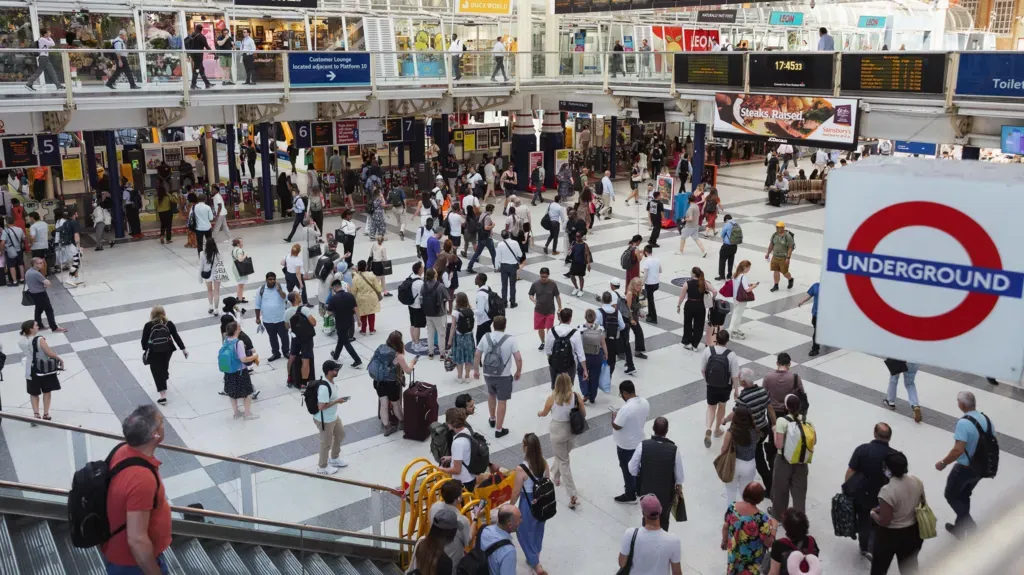
London - A contentious proposal to redevelop Liverpool Street station, Britain's busiest railway hub, has been condemned by conservationists as a "huge and unnecessary waste of resources" and "environmentally backward." The plan, which includes building a multi-story tower above the historic station, is awaiting a final decision from the City of London planning committee.
A recent report, commissioned by the Liverpool Street Station Campaign (LISSCA) and authored by renowned carbon expert Simon Sturgis, argues that the scheme is fundamentally flawed. The assessment states the proposal shows "minimal ambition... to meet... net zero" targets.
The report also challenges the project's developers, Network Rail and Sellar, for failing to explore sustainable retrofitting options. Instead, it says they are opting to demolish usable parts of the Victorian station. The report suggests the new tower could become redundant as demand for office space evolves.
The debate centers on a profound conflict between preserving a historic landmark and modernizing for future growth. The Victorian Society, a leading conservation charity, and other heritage groups have voiced strong opposition, citing the plan's potential to harm the Grade II* listed Andaz Hotel.
This historical building holds a high conservation status. Despite thousands of public objections, the developers submitted revised plans in April 2025. These revisions included a smaller office block and design adjustments to accommodate existing structures.
Network Rail and Sellar maintain the project is essential for London's future. A spokesperson for Network Rail stated that the existing station cannot accommodate anticipated growth and is "long overdue the transformation it deserves." The redevelopment is projected to increase passenger capacity by 30%, from 115 million to 150 million passengers annually.
The developers claim the new building will be carbon-neutral in its operation and will use low-carbon materials in its construction, arguing that this investment in sustainable transport will ultimately contribute to London's overall goal of reducing its carbon footprint.
The City of London Corporation is now conducting its final review of the revised plans. The outcome will set a precedent for future development projects involving historic transport infrastructure and will determine the fate of a central London landmark.
(Sourece: This article's reporting and facts were sourced from several entities with direct knowledge of the project. Credit for their contributions is given to the City of London Corporation, Network Rail, the Victorian Society, and to news reports from The Guardian.)


