

Nepal UK
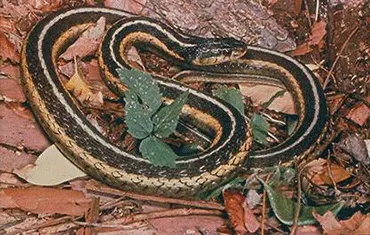
Kathmandu - An alarming and deadly rise in snakebite incidents is sweeping across Nepal, with new data revealing a concerning trend. On Tuesday, seven victims were admitted to Sukraraj Tropical and Infectious Disease Hospital, the latest in a wave of cases that have doctors deeply concerned.
Hospital officials confirm that snakebite treatment has become the number one reason for admission, with up to eight patients arriving for emergency care daily, as of Wednesday, September 3, 2025.
According to the National Disaster Risk Reduction and Management Authority, at least 74 people have died from snakebites since mid-April. However, experts warn that the true number is likely far higher, as many deaths go unrecorded.
A 2022 report in The Lancet estimates that approximately 2,700 people die from snakebites in Nepal each year. This figure includes many victims from rural areas who never reach a hospital. Women and children are particularly vulnerable, often getting bitten while working in fields or playing outdoors.
A major reason for the high death toll is a lack of awareness, with many victims first seeking help from faith healers rather than medical professionals. Even for those who do reach a health facility, the challenges can be significant.
While the Ministry of Health provides anti-venom for free, many rural clinics are not equipped to handle serious cases. They often lack the advanced life support systems required for critical patients.
In a worrying development, highly venomous snakes traditionally found in Nepal's tropical Tarai region are now appearing in the hilly and mountainous areas, including the Kathmandu Valley. Dozens of these dangerous snakes have been captured from the capital this summer alone.
Experts believe this phenomenon is directly linked to global warming. With Nepal's average annual temperature rising faster than the global average, the cooler hill climates have become more hospitable for these venomous reptiles. The rapid increase in daytime temperatures in hilly regions may be a key factor allowing these snakes to survive and thrive where they were previously never seen.


