

Nepal UK
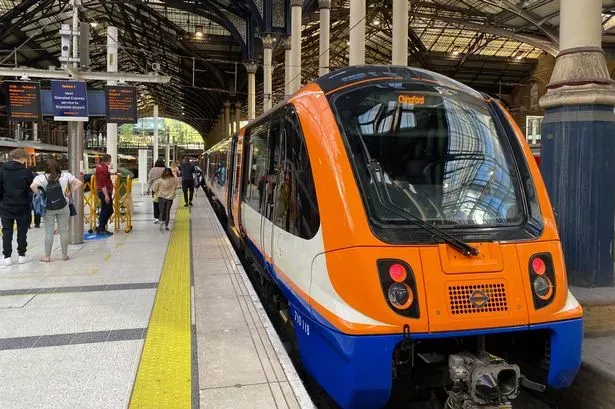
Picture: My London
London - Campaigners are urging Transport for London (TfL) to make all public transport in the capital free of charge, arguing it is a necessary step to address rising inequality and reduce the number of polluting vehicles on the roads. The demand comes as London's Tube network remains the most expensive of any major city globally, with fares scheduled to increase above inflation for the foreseeable future.
The high cost of travel has raised concerns that many Londoners are being priced out of using the Underground, which could contribute to more cars on the streets. TfL has stated that unlike many international counterparts that receive significant state funding, its operations are primarily financed by passenger fares.
A shift to a fare-free system would require a new financial model to replace the billions of pounds currently generated from tickets. In the 2023-24 financial year, TfL earned £5.24 billion from passenger fares, a figure projected to rise to £5.7 billion by 2025-26. Other sources of income for the transport body include revenue from advertising and the Ultra Low Emission Zone (ULEZ) scheme, which amounted to £1.6 billion, and £2.7 billion in government grants in 2024-25.
Currently, a single Tube journey costs between £2.50 and £3.80, depending on the zone and time of travel. Daily fare caps are set at £8.90 for Zone 1 and £16.30 for Zones 1-6. Cash is not accepted on London's buses or trams, where single fares begin at £1.75 and are capped at £5.25 per day.
The push for free travel has gained momentum following a recent proposal by the House of Commons Transport Committee, which suggested a free bus pass for all individuals under 22 in England to assist them with accessing work and education. Organisations like Fare Free London are now campaigning for this initiative to be extended to all age groups and all modes of public transport.
Simon Pirani, a member of the campaign group's organising committee, believes a fare-free system in London would boost the economy, reduce social isolation, and help decrease car dependency. He noted that the high cost of transport disproportionately affects people's ability to find and travel to work, contributing to social isolation. He emphasised that London needs a fundamental re-evaluation of how its transport system is funded, acknowledging that while the city has a superior system to others in the UK, it is prohibitively expensive.
TfL already provides discounted travel for several groups, including those over 60, children, students, disabled people, and jobseekers.
A spokesperson for TfL commented on the situation, stating that while the mayor will ultimately decide on fare policy, the government has made it clear that current funding arrangements are based on the assumption that fares will continue to rise in line with the Retail Price Index plus one percent each year.
(Source: BBC reporting and local media outlets)


